We Are a Trauma Informed Edmonton Physiotherapy Practice Near You!Treating Clients in Edmonton for over 25 Years.Getting a Lymphatic Drainage Massage? Boost it with Shockwave Therapy for just $30!We Are a Trauma Informed Edmonton Physiotherapy Practice Near You!Treating Clients in Edmonton for over 25 Years.Getting a Lymphatic Drainage Massage? Boost it with Shockwave Therapy for just $30!








Physiotherapy Edmonton
Cerebral Palsy Physiotherapy in Edmonton
Helping children and adults move with confidence, independence, and improved quality of life
Get Consultation Now
Cerebral Palsy Physiotherapy in Edmonton
Empowering Individuals with Cerebral Palsy to Achieve Functional Mobility and Comfort
At In Step Physiotherapy, we understand the unique challenges faced by individuals with cerebral palsy. Enhancing mobility, muscle strength, balance, and coordination is the main goal of cerebral palsy physiotherapy in Edmonton so that patients can carry out everyday tasks more comfortably. In a supportive environment, our therapists work closely with families and individuals to develop customized programs tailored to the needs of each client.
Through consistent physiotherapy for cerebral palsy, we help enhance functional abilities, prevent complications, and promote overall well-being, allowing individuals to reach their personal goals and live more independently. Our approach is collaborative, involving caregivers and families to ensure exercises and strategies are implemented consistently at home.
What is Cerebral Palsy Physiotherapy?
Cerebral Palsy Physiotherapy in Edmonton is a targeted form of therapy designed to support individuals with cerebral palsy in improving their physical abilities and overall function. Cerebral palsy affects movement, muscle tone, coordination, and posture, making daily activities challenging. Physiotherapy for cerebral palsy addresses these issues by focusing on flexibility, strength, and control, enabling clients to achieve smoother and more efficient movements.
At In Step Physiotherapy, we help clients through personalized programs that focus on:
- Enhancing gross and fine motor skills
- Improving balance and coordination
- Reducing stiffness and preventing muscle contractures
- Supporting posture and alignment during sitting, standing, and walking
- Promoting functional independence in daily activities
Physiotherapy sessions are adapted to each client’s age, abilities, and goals. Early intervention is crucial for children, as it fosters the development of motor skills and helps prevent secondary complications. For adults, physiotherapy helps maintain mobility, reduce discomfort, and improve quality of life.
How Can Physiotherapy Help Children With Cerebral Palsy?
Children with cerebral palsy can benefit greatly from physiotherapy. Early intervention can help support motor development, build strength, and improve functional independence. Our programs focus on:
- Encouraging natural movement patterns during crawling, standing, and walking
- Strengthening weaker muscles and stretching tight or spastic muscles
- Improving balance, coordination, and postural control through play-based exercises
- Supporting sensory processing and motor planning to enhance movement efficiency
- Reducing the risk of deformities such as joint contractures or scoliosis
- Integrating exercises into daily routines, ensuring progress outside the clinic
We help families practice techniques at home, creating consistency in therapy and supporting long-term development.
What is Our Approach to Customized Physiotherapy for Cerebral Palsy?
At our clinic, we understand that no two individuals with CP are the same. Effective treatment must be as unique as the person receiving it. We focus on understanding each client’s physical needs, environment, and personal goals to help them achieve meaningful milestones, whether taking their first steps, improving daily function, or maintaining mobility later in life.
We provide a trauma-informed, safe, and calm environment for all ages. Every therapeutic relationship begins with a comprehensive evaluation led by our therapists.
Initial Assessment Focus:
Muscle Tone and Spasticity:
Measuring stiffness or floppiness and identifying affected muscles.
Strength and Endurance:
Evaluating muscle power and sustained effort during activities.
Flexibility and Range of Motion:
Identifying limitations that could affect function or lead to contractures.
Balance and Coordination:
Testing stability for walking and daily tasks.
Posture and Alignment:
Analyzing body positioning to prevent secondary complications.
Gait Analysis:
Observing walking patterns to identify areas for mobility improvement.
Based on this assessment, we collaborate with the client and family to set realistic, measurable goals. Our patient-centred approach ensures treatment plans are tailored to encourage independence and functional gains through Physiotherapy for Cerebral Palsy.
What Techniques Are Used in Cerebral Palsy Physiotherapy?
At In Step Physiotherapy, we offer a comprehensive range of techniques for Cerebral Palsy Physiotherapy in Edmonton. Each program is tailored to the client’s abilities and goals, combining multiple approaches to achieve optimal functional outcomes. Techniques include:
Core Physical Rehabilitation Techniques
Neuro-Developmental Treatment (NDT)
A hands-on approach that facilitates normal movement patterns while inhibiting abnormal muscle tone and reflexes. Therapists use handling techniques to guide and assist movements.
Functional Motor Training
Task-specific practice helps patients perform real-life movements, such as reaching, grasping, rolling, or stair climbing, making therapy directly relevant to their daily function.
Strengthening and Conditioning
Strengthening muscles with weights, resistance bands, and body weight exercises promotes controlled movement and good posture.
Stretching and Myofascial Release
Manages spasticity, maintains joint mobility, and prevents contractures, preserving range of motion over time.
Balance and Proprioception Training
Exercises to improve the body’s awareness in space and reaction to instability, enhancing coordination and safety.
Gait Training and Mobility
Refines walking patterns, increases speed, and improves endurance using parallel bars, adapted treadmills, and assistive devices.
Constraint-Induced Movement Therapy (CIMT)
Encourages use of a weaker limb by limiting reliance on the stronger limb during functional tasks.
Postural Alignment and Core Stability Training
Exercises to strengthen the trunk, improve posture, and enhance overall functional mobility.
Fine Motor Skill Development
Therapies targeting hand-eye coordination, grasp, and dexterity for daily tasks like feeding and writing.
Task-Oriented Circuit Training
Combines multiple functional exercises in a sequence to promote strength, endurance, and motor planning.
Technology-Enhanced and Neuromodulation Services
Functional Electrical Stimulation (FES)
Devices like Bioness L300 GO for lower limbs and H200 for the hand stimulate muscles to assist with tasks like foot drop correction or improving hand function.
Neuromuscular Electrical Stimulation (NMES)
Stimulates weakened or paralyzed muscles to maintain muscle mass and improve strength.
Virtual Reality (VR) and Gamified Therapy
Interactive programs that motivate movement, improve coordination, and make therapy engaging.
Integrated and Complementary Therapies
Orthotic Management
Collaboration with orthotists to design, fit, and train with custom devices like Ankle-Foot Orthoses (AFOs), enhancing mobility and alignment.
Cognitive Behavioural Therapy (CBT)
Supports emotional well-being by helping patients develop coping strategies, manage anxiety, and improve motivation for therapy.
Nutrition Management
Tailored dietary guidance to support muscle health, boost energy, and optimize overall rehabilitation outcomes.
Sensory Integration Therapy
Activities designed to enhance the processing of sensory input, which enhances motor control, balance, and coordination.
Breathing and Respiratory Training
Exercises to strengthen respiratory muscles, improve posture, and enhance endurance during activity.
Our therapists combine these methods to ensure a holistic, functional approach, focusing on meaningful improvements that enhance daily life.
How Does Our Clinic Support Individuals Across the Lifespan?
Cerebral Palsy is a lifelong condition, and therapeutic needs evolve from infancy to adulthood. Our clinic supports clients at every stage, adapting care to meet changing challenges and goals.
Care for Children and Teens
- Play-Centred Therapy: Builds foundational motor skills like sitting, crawling, and walking in an engaging, trust-building way.
- Sensory-Friendly Environment: Calm, welcoming space with adjustable lighting and noise control for sensory sensitivities.
- Coordination of Care: Collaboration with school therapists, pediatricians, and other healthcare professionals for consistent support.
- Assistive Device Training: Guidance on walkers, gait trainers, wheelchairs, and adaptive toys to promote safe independence.
Care for Adults
- Maintenance and Preservation: Focus on strength, endurance, and range of motion to support independence in daily life.
- Pain Management: Manual therapy and therapeutic techniques address chronic musculoskeletal pain from compensatory movement patterns.
- Adaptive Strategies: Training with new technologies and environmental modifications to maintain functional independence and quality of life.
Our approach ensures support from childhood through adulthood, helping individuals with CP achieve meaningful functional gains at every stage of life. The duration of therapy varies with age, condition severity, and personal goals. Regular sessions plus home exercises usually lead to noticeable improvements, with therapists adjusting programs to ensure safe, ongoing progress.
Why Choose Our Clinic for Cerebral Palsy Physiotherapy in Edmonton?
We provide a holistic approach that considers physical, cognitive, and emotional needs. At In Step Physiotherapy, we help:
- Make customized treatment programs based on in-depth evaluations.
- Monitor progress through regular follow-ups
- Support families in home exercise programs
- Integrate physiotherapy tools for movement analysis and functional improvements
- Collaborate with occupational therapy, speech therapy, and other healthcare professionals as needed
Our clinic ensures a consistent and supportive environment for ongoing care and rehabilitation.
How Can Families Support Therapy at Home?
Families play a crucial role in achieving optimal therapy outcomes. Strategies include:
- Encouraging daily movement and stretching routines
- Creating safe spaces for practicing functional tasks
- Using adaptive equipment consistently as recommended
- Following the therapist’s guidance for posture and positioning
- Engaging in interactive activities to strengthen motor skills
We provide education and resources to empower families and ensure continuity of care.

Supporting Lifelong Function and Mobility
Cerebral Palsy Physiotherapy in Edmonton helps clients achieve greater independence, mobility, and quality of life. At In Step Physiotherapy, our clinic focuses on individualized care, a variety of physiotherapy techniques, and consistent family involvement. By combining in-clinic sessions with home support, we help individuals with cerebral palsy achieve their personal goals and enhance their daily function. Physiotherapy for cerebral palsy is a continuous journey, and our therapists guide clients and families every step of the way to ensure meaningful progress and lasting benefits. Book Your Assessment Today and Start Your Journey to Improved Mobility and Independence!
Real Stories from Families: Cerebral Palsy Physiotherapy in Edmonton
Hear how our patients and families experience improved movement, comfort, and everyday life.

I’ve been coming here for help with my radial nerve palsy, elbow, and collarbone fracture recovery, and I’m super happy with how things are going! Giri and Eloise are simply amazing—super knowledgeable and always make me feel comfortable. I’ve been seeing steady progress thanks to them. Highly recommend this place to anyone needing physio!
Faezeh Haghverd
BEST PHYSIOTHERAPY FOR CEREBRAL PALSY PATIENTS IN TOWN! I have cerebral palsy and have been very reluctant to go to physiotherapy because most physiotherapists I have been to lacked understanding of Cerebral Palsy therefore was not helpful at all. I decided to try physiotherapy with Giri for the last time, and he is definitely exceptional! My daily life has been developed (walking, standing etc) eversince I’ve been seeing him. Additionally, all of the staffs here are very welcoming and nice. I strongly recommend this place!!!
Dasol Kim
Cerebral Palsy Physiotherapy in Edmonton: Personalized Care for Every Stage of Life
Discover how our physiotherapy programs support mobility, independence, and confidence for individuals with cerebral palsy.
BOUNCING BACK FROM CEREBRAL PALSY ~ In Step Physical Therapy Edmonton ~ Cerebral Palsy Recovery
Physiotherapy for Children | Pediatric Physiotherapy | In Step Physical Therapy Edmonton
Creating a Sensory Experience for Kids with Special Needs | InStep Physical Therapy Edmonton
Frequently Asked Questions:
Understanding Cerebral Palsy & Physiotherapy
What is cerebral palsy?
A collection of disorders known as cerebral palsy are caused by anomalies in brain development that happen prior to, during, or after birth and impact muscle tone, posture, and movement.
How can physiotherapy help children with cerebral palsy?
Physiotherapy enhances strength, flexibility, balance, and functional movement, enabling children to perform daily tasks with greater independence.
Is physiotherapy only for children with severe cerebral palsy?
No, children of all severity levels can benefit from physiotherapy to improve mobility, coordination, and overall functional abilities.
Can adults with cerebral palsy benefit from physiotherapy?
Yes, adults may gain improved mobility, posture, pain management, and independence through consistent physiotherapy exercises and guidance.
When should physiotherapy begin for a child with cerebral palsy?
Early intervention is ideal, often beginning in infancy, to maximize motor development and reduce complications over time.
Does physiotherapy prevent cerebral palsy from worsening?
Physiotherapy can maintain function, reduce complications, and manage symptoms, though it cannot reverse the underlying brain condition.
Can physiotherapy reduce muscle stiffness?
Targeted exercises, stretches, and positioning techniques can help manage stiffness and improve overall range of motion.
Will physiotherapy improve walking ability?
It can improve walking patterns, balance, and coordination, though results vary depending on the type and severity of cerebral palsy.
Can physiotherapy help with involuntary movements?
Certain exercises and motor control strategies may reduce the impact of involuntary movements, enhancing functional activities.
Is physiotherapy only about exercises?
No, it includes posture training, movement strategies, joint protection, balance activities, and guidance for daily routines.
Therapy Techniques and Approaches
What is task-specific training?
It focuses on practicing daily tasks repetitively to improve independence and muscle coordination for real-life activities.
What is constraint-induced movement therapy (CIMT)?
By restricting the stronger limb’s range of motion during therapy sessions, CIMT promotes the use of the weaker limb.
Can stretching prevent contractures?
Regular stretching can maintain joint flexibility, reducing the risk of permanent muscle shortening over time.
What role does strengthening play in physiotherapy?
Strengthening exercises improve posture, mobility, and the ability to perform daily tasks more effectively.
Does physiotherapy involve assistive devices?
Yes, therapists may suggest braces, walkers, or orthotics to support mobility and proper alignment.
Can physiotherapy help with balance issues?
Balance exercises enhance stability, reduce the risk of falls, and improve coordination in daily activities.
Are floor-based exercises effective?
Yes, floor exercises improve core strength, flexibility, and gross motor skills while supporting safe movement patterns.
What is gait training?
Gait training helps children and adults practice walking patterns to improve efficiency, balance, and coordination.
Can physiotherapy reduce fatigue?
Regular, structured exercise can enhance endurance and reduce the effort required for daily activities.
How does physiotherapy address spasticity?
Through stretching, positioning, and controlled movements, therapy helps manage muscle tightness and improve function.
Home Care & Daily Life Integration
Can parents assist with physiotherapy at home?
Yes, guided home exercises reinforce therapy goals and improve progress between clinic sessions.
How often should home exercises be done?
Short, consistent sessions multiple times per week are recommended, depending on the therapist’s guidance.
Can physiotherapy improve hand function?
Targeted exercises can enhance fine motor skills, grip strength, and functional use of the hands.
Is physiotherapy useful in school settings?
Yes, therapists can provide exercises, positioning strategies, and mobility guidance to support classroom participation.
Can physiotherapy improve posture while sitting?
Yes, it includes seating adjustments and exercises to support spinal alignment and reduce fatigue during sitting.
How can therapy help with transfers?
Physiotherapy teaches safe techniques for moving between surfaces, improving independence and reducing caregiver strain.
Will physiotherapy improve endurance for play activities?
Yes, structured exercises enhance stamina, making participation in play and daily activities easier.
Can therapy prevent joint pain from overuse?
Yes, strengthening and positioning strategies help distribute stress evenly across joints, reducing discomfort.
Are caregivers trained during physiotherapy sessions?
Therapists often teach caregivers proper handling, exercises, and safe movement techniques for daily support.
Can physiotherapy help with dressing and self-care?
Yes, it focuses on functional movements, range of motion, and strategies to increase independence in daily routines.
Therapy Progress & Monitoring
How is progress measured in physiotherapy?
Through regular assessments of movement, balance, strength, endurance, and functional abilities in daily activities.
How long does physiotherapy take to show results?
Improvements vary, but consistent therapy and home exercises often produce noticeable functional gains within weeks to months.
Can therapy programs be adjusted over time?
Yes, programs are modified to match the individual’s evolving abilities and goals.
How often should clinic visits occur?
Frequency depends on needs and goals, often ranging from weekly to bi-weekly sessions.
Can therapy goals change as the child grows?
Yes, goals evolve to address growth, changing abilities, and developmental milestones.
Are there risks associated with physiotherapy?
Minor soreness or fatigue can occur, but therapists ensure exercises are safe and appropriate for each individual.
How is functional improvement tracked?
Through objective assessments, caregiver feedback, and observation of daily activities over time.
Can therapy reduce hospital visits?
Consistent therapy may reduce complications, improve mobility, and lessen the need for medical interventions.
What happens if a session is missed?
Therapists adjust plans to maintain progress, and home exercises can help prevent regression.
Can progress plateau during therapy?
Yes, temporary plateaus are normal and require program adjustments to continue improvement.
Lifestyle, Equipment & Support
Do physiotherapy programs include nutrition advice?
Some guidance may be provided to support growth, muscle strength, and overall health in collaboration with dietitians.
Can therapy improve sleep quality?
Exercises that reduce muscle stiffness and discomfort may contribute to better sleep routines.
Are wheelchairs a permanent solution?
Not necessarily; wheelchairs support mobility as needed, but therapy aims to maintain independence and functional movement.
Can physiotherapy help with speech and swallowing?
Therapists may coordinate with speech-language pathologists to improve coordination and posture, supporting speech and swallowing.
Does physiotherapy address fatigue during school or work?
Yes, pacing strategies, strength training, and positioning techniques help manage energy throughout the day.
Can pets be part of therapy?
Animal-assisted activities may encourage movement, coordination, and motivation during therapy under supervision.
Is physiotherapy effective alongside other therapies?
Yes, combining therapy with occupational, speech, or recreational therapy often improves functional outcomes.
Can therapy support mental well-being?
Physical improvements, increased independence, and participation in activities can positively impact confidence and emotional health.
Are adaptive sports recommended?
Adaptive sports enhance strength, coordination, social engagement, and confidence, complementing physiotherapy goals.
Can therapy reduce the need for future surgeries?
Therapy may help manage joint function, muscle balance, and mobility, potentially reducing the frequency or extent of surgical interventions.
Meet Your Professional Care Team

Giri Srinivasan
Neurological Physiotherapist – Owner & CEO
Neurological Physiotherapist – Owner & CEO With over 25 years of experience and a postgraduate diploma specifically in Developmental Therapy for Cerebral Palsy and neurological disabilities, Giri is certified in a wide range of neurorehab and movement systems, from LSVT BIG to Graded Motor Imagery, helping clients with CP improve function, mobility, and quality of life. His deep clinical background and holistic approach ensure every treatment plan is personalized and goal-oriented.
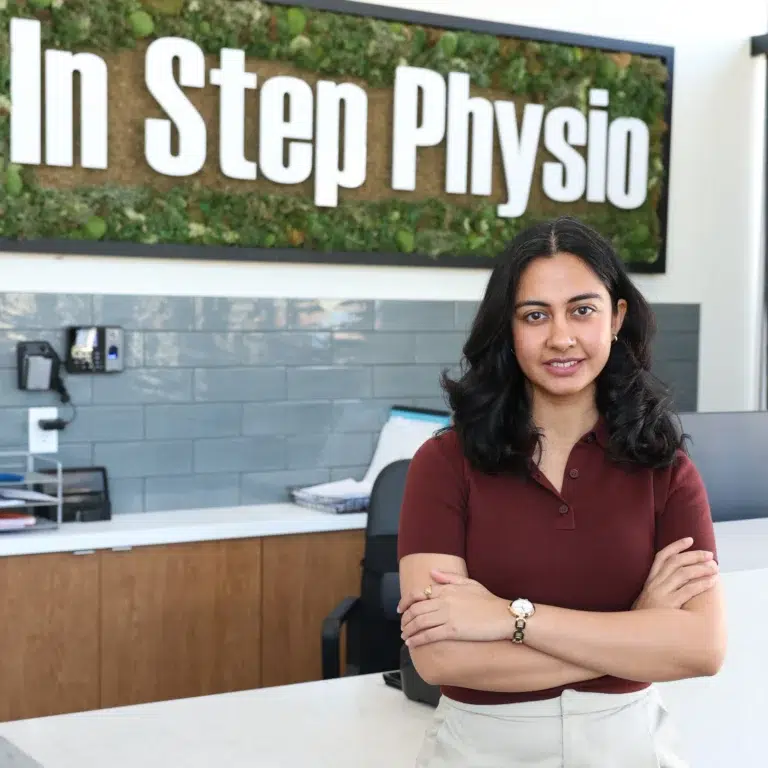
Roopreet Kaur
Neurological Physiotherapist
With hands-on experience in both pediatric and neurological rehabilitation, Roopreet is empathetic and deeply committed to helping individuals with Cerebral Palsy reach their physical and functional goals. Her positive energy and practical skills make her a valuable part of the team.

Neha Anil Saraf
Neurological Physiotherapist
Neha Anil Saraf combines hands-on techniques with individualised exercise programmes tailored to each patient's goals.

Cyprian Orjinta
Neurological Physiotherapist
Cyprian Orjinta focuses on restoring movement and strength through structured, progressive rehabilitation.

Rachit Bhatia
Neurological Physiotherapist
Rachit combines his passion for active living with clinical experience in neurological conditions, including Cerebral Palsy. He supports therapy goals with enthusiasm and a person-centred approach, helping clients gain independence and mobility through tailored exercises and care.
Our team is here to answer your questions and guide you through your next steps.
Book An Appointment
Reach Us
- Address - 10667 113 St NW, Edmonton, AB T5H 3H6
- Phone - (587) 409-1754
- Email - info@instepphysio.ca
- Business Hours - Mon – Fri: 8 am – 8 pm
- Business Hours - Sat: 8 am – 4 pm