We Are a Trauma Informed Edmonton Physiotherapy Practice Near You!Treating Clients in Edmonton for over 25 Years.Getting a Lymphatic Drainage Massage? Boost it with Shockwave Therapy for just $30!We Are a Trauma Informed Edmonton Physiotherapy Practice Near You!Treating Clients in Edmonton for over 25 Years.Getting a Lymphatic Drainage Massage? Boost it with Shockwave Therapy for just $30!








Physiotherapy Edmonton
Amputation Rehabilitation Physiotherapy Edmonton
Rebuilding Life and Confidence Through Guided Exercises and Prosthetic Training
Get Consultation Now
Amputation Rehabilitation Physiotherapy Edmonton
Step Confidently Again: Personalized Rehab for Amputation Recovery and Function
Life often presents unexpected paths, and navigating the world after an amputation is one of the most profound journeys a person can undertake. It is a period of transition, adaptation, and immense resilience. At In Step Physical Therapy in Edmonton, we recognize that your recovery is about much more than physical healing; it is about establishing a renewed sense of self and confidently moving toward your future. From the initial stages of surgical healing to mastering the use of a prosthetic device or adapting to life without one, we are here to offer dedicated, personalized support. We collaborate with you to set achievable goals and guide you through every complex step. This committed support is the foundation of comprehensive Amputation Rehabilitation Physiotherapy in Edmonton.
Why is Amputation Rehabilitation Crucial for My Long-Term Well-being?
The decision to pursue Amputation Rehabilitation is a proactive step toward maximizing your quality of life. The period immediately following surgery, and the months that follow, are pivotal. Simply allowing the residual limb to heal without guided physiotherapy risks complications that can severely limit future function and independence.
We help you address crucial early recovery goals, including:
Residual Limb Care and Shaping:
Manage swelling through wrapping and positioning to ensure a comfortable, functional prosthetic fit.
Preventing Joint Contractures:
Gentle range of motion exercises help maintain flexibility in joints near the amputation site, thereby preventing stiffness and complications associated with prosthetic use.
Core and Remaining Limb Strength: Build core stability and condition the remaining limb to support balance, posture, and safe transfers.
Build core stability and condition the remaining limb to support balance, posture, and safe transfers.
Pain Management and Desensitization:
Address residual limb pain and phantom sensations with desensitization, gentle massage, and Mirror Therapy to promote comfort.
Preventing Compensation Injuries:
Educate on proper posture and symmetrical movement to avoid overuse injuries in the back, neck, or intact joints.
What Comprehensive Amputation Rehabilitation Services Does Our Clinic Offer?
Our clinic follows a structured, phased approach to Amputation Rehabilitation Physiotherapy Edmonton, ensuring our treatment evolves seamlessly with your healing and functional progression. This continuous, adaptable pathway is key to achieving optimal results.
Phase 1: Early Post-Operative and Healing
This initial phase focuses on the immediate needs of the surgical site and overall body health, laying a critical foundation for recovery.
- Wound Care and Edema Management: Guidance on proper wound care, scar management, and use of compression or limb positioning to control swelling for prosthetic readiness.
- Bed Mobility and Transfers: Safe techniques for moving in and out of bed, transferring to a chair, and using assistive devices efficiently.
- Gentle Range of Motion: Light exercises to maintain joint flexibility and prevent stiffness or contractures in early recovery.
Phase 2: Pre-Prosthetic Conditioning
Once the surgical site is stable, the goal shifts to conditioning the body and the residual limb for the challenges of prosthetic use.
- Strength and Endurance Training: Customized exercises, including residual limb strengthening and resistance work, improve prosthetic control and overall endurance.
- Proprioception and Balance Training: Balance challenges using parallel bars, foam pads, and boards enhance body awareness and stability during movement.
- Limb Shaping and Skin Health: Compression wraps and desensitization massage help shape the residual limb and prepare the skin for prosthetic use.
Phase 3: Prosthetic Training and Functional Integration
This final phase focuses on achieving daily independence by integrating the prosthetic device safely and efficiently into your life.
- Prosthetic Fitting and Education: We ensure proper prosthetic fit and teach correct donning/doffing, routine care, and managing sock ply for volume changes.
- Amputee Gait Retraining: Focused drills, including weight-shifting and stride practice, promote smooth, symmetrical, and energy-efficient walking.
What Techniques Are Used In Amputation Rehabilitation Physiotherapy?
A wide variety of physiotherapy techniques tailored for amputation rehabilitation are available at our clinic. These techniques are designed to improve strength, mobility, balance, and overall functional independence. Each program is customized to the patient’s needs, goals, and stage of recovery.
Range of Motion (ROM) Exercises:
Maintain joint flexibility, reduce stiffness, and prevent contractures in both residual and remaining limbs, particularly during the early post-amputation stages.
Strength Training:
Build core, upper, and lower limb strength to improve balance, posture, and the ability to perform daily tasks safely.
Balance and Gait Training:
Practice stability, weight shifting, and walking techniques to enhance confidence and safety with or without a prosthesis.
Prosthetic Training:
Guidance on proper fitting, alignment, and safe use of prosthetics, including walking on various surfaces and transfers.
Desensitization Therapy:
Techniques like tapping, massage, or textured stimulation reduce hypersensitivity and prepare the residual limb for prosthetic use.
Scar Management and Soft Tissue Care:
Soft tissue mobilization, stretching, compression, and massage promote healing, prevent adhesions, and improve mobility.
Neuromuscular Re-education:
Retrains movement patterns, improves coordination, and supports functional activities like standing, walking, or climbing stairs.
Virtual Reality (VR) Therapy with MetaQuest 3:
Virtual reality therapy treatment integrating a VR headset and hand controllers to immerse patients in interactive environments. VR games and simulations encourage movement, coordination, and cognitive exercises, making rehabilitation more engaging while supporting balance, mobility, and confidence.
Functional Task Training:
Practice daily activities, such as dressing, bathing, cooking, or transfers, to regain independence at home and in the community.
Cardiovascular Conditioning:
Low-impact exercises, such as stationary cycling or seated cardio, help build endurance, particularly for individuals with lower-limb amputations.
Pain Management Techniques:
Heat therapy, cold therapy, stretching, and electrical stimulation help manage residual limb pain, phantom sensations, and stiffness.
Core Stability and Postural Training:
Strengthen core muscles to improve balance, reduce strain, and support efficient movement.
Adaptive Equipment Training:
Safe use of walkers, canes, or wheelchairs to maintain independence and mobility.
Mirror Therapy and Phantom Limb Techniques:
Reduce discomfort and retrain the brain to adapt to limb loss in patients experiencing phantom limb sensations.
Our therapists combine these techniques based on each patient’s specific needs, recovery stage, and functional goals. By addressing both physical and functional challenges, we help patients regain strength, mobility, confidence, and independence more effectively.
Why Should You Consider Amputation Rehabilitation?
Amputation rehabilitation provides numerous benefits that go beyond physical recovery:
- Restores strength, mobility, and balance: Targeted exercises rebuild muscle and improve coordination.
- Lowers the chance of accidents and falls: Stability is improved through balance and gait training.
- Improves prosthetic adaptation: Patients learn proper use and movement patterns for their prosthetic limb, enhancing their overall experience.
- Enhances independence in daily living: Activities such as walking, cooking, and dressing become easier and safer to perform.
- Supports psychological adjustment: Physical improvements often lead to increased confidence and mental well-being.
- Prevents secondary complications: Rehabilitation minimizes joint stiffness, muscle weakness, and pain.
At In Step Physical Therapy, we help patients understand the importance of a structured rehabilitation program. We assist patients in achieving their individual objectives and enhancing their overall quality of life by addressing the functional and physical challenges that arise after amputation.
How Soon Should Physiotherapy Start After Amputation?
Early physiotherapy is highly recommended once a patient has been medically cleared following surgery. Starting rehabilitation soon after an amputation helps maintain muscle function, reduces swelling, prevents joint contractures, and accelerates recovery.
To create a comprehensive plan, our therapists work closely with patients. Initial sessions focus on gentle exercises, limb positioning, and basic mobility training. As recovery progresses, we gradually introduce strengthening, balance, and functional tasks. Early intervention not only supports physical recovery but also helps patients adapt mentally to life after amputation.
What Makes Our Clinic's Approach To Amputation Rehabilitation Different?
At In Step Physical Therapy, we focus on personalized care tailored to each patient’s unique needs. Our therapists provide:
Hands-on therapy:
Manual methods to control discomfort and increase mobility.
Exercise programs:
Customized workouts to enhance function and build muscle.
Prosthetic training:
Guidance on how to safely and effectively use prosthetic devices.
Continuous monitoring:
Progress tracking and adjustment of therapy programs as patients improve.
We provide a comprehensive approach to rehabilitation by integrating functional training, education, and physical therapy methods. We assist patients in regaining their self-esteem, independence, and general well-being by addressing the psychological as well as the physical effects of amputation.
How Does Amputation Rehabilitation Improve Daily Life?
Structured physiotherapy helps patients regain independence in their day-to-day activities. Strengthening exercises, balance training, and practicing functional tasks make it easier to perform essential tasks, such as walking, climbing stairs, or transferring from a chair.
Prosthetic training allows patients to regain mobility and participate in social and work-related activities. Improved confidence in movement reduces the risk of falls and injuries while supporting a more active lifestyle. Overall, rehabilitation encourages patients to take control of their recovery, adapt to changes, and achieve a better quality of life.
What Results Can Patients Expect From Amputation Rehabilitation Physiotherapy?
While outcomes vary based on individual circumstances, patients can expect:
- Increased mobility and range of motion
- Enhanced strength in both residual and remaining limbs
- Improved balance and coordination
- Functional independence in daily activities
- Better adaptation to prosthetic limbs
- Reduced discomfort or pain in the residual limb
Regular physiotherapy helps patients regain confidence in their movements and supports long-term health and functionality. Rehabilitation ensures that patients are better equipped to manage challenges and maintain their independence.
Take the Next Step in Your Recovery
Amputation Rehabilitation Physiotherapy in Edmonton at In Step Physical Therapy helps patients regain strength, mobility, and independence. Our therapists provide personalized programs combining manual therapy, targeted exercises, prosthetic training, and functional practice. Early and consistent rehabilitation improves movement, reduces complications, and restores confidence in daily activities.
In Step Physical Therapy provides amputation rehabilitation physiotherapy from our clinic at 10667 113 Street in Downtown Edmonton in a supportive and patient-focused clinical environment. We help individuals recover after limb loss by addressing strength, balance, mobility, prosthetic training, and functional independence through evidence-based rehabilitation programs.
Conveniently located near neighbourhoods such as Queen Mary Park, Oliver, Central McDougall, and Wîhkwêntôwin, our clinic offers accessible amputation rehabilitation services for individuals seeking care close to home in central Edmonton.
Serving Downtown and Central Edmonton, patients choose In Step Physical Therapy when searching for amputation rehabilitation physiotherapy near them, trusting our clinic for professional, personalized care focused on improving mobility, restoring function, and enhancing overall quality of life.
Contact In Step Physical Therapy in Edmonton to schedule your assessment. Our team will design a tailored amputation rehabilitation program to help you regain mobility, independence, and quality of life.
Real Experiences from Our Patients
Hear from our patients about their experiences with amputation rehabilitation physiotherapy in Edmonton. Our personalized approach helps individuals regain mobility, build strength, and regain confidence in their daily lives.

Very cool clinic with friendly staff! It's very cozy here and the professionals know how to solve any problem!
Highly recommend!
Oles Iusypchuk
Nice place for a physical therapy, massage and other services. Got a great service and recovered from my injury after a couple of visits to this facility.
Maureen Okello
I am very satisfied. My situation has been improving since i have started there. I am very grateful for Neha and will continue until i have fully recovered
Fatou Trazo
Awesome place to work and receive treatment at the same time! I had physiotherapy, massage, and acupuncture, and all the therapists are not only friendly but also experts in their fields. I highly recommend InStep Physio Clinic!
Sheila May Cabarrubias
Life After Amputation: How Physiotherapy in Edmonton Can Help
Our Edmonton physiotherapy team helps those adjusting to life after amputation regain strength, mobility, and independence. In this video, we’ll show how our rehabilitation programs support your recovery.
Frequently Asked Questions:
General Questions About Amputation Rehabilitation
What is amputation rehabilitation physiotherapy?
It’s a therapy program that helps individuals regain strength, mobility, and function after limb amputation through exercises, education, and supportive techniques.
When should rehabilitation start after amputation?
Rehabilitation usually begins once the surgical site is stable, often within days, focusing on mobility, limb care, and preparing for prosthetic use.
How long does rehabilitation typically last?
Duration depends on the individual, amputation level, and recovery progress; programs often last several weeks to months with consistent physiotherapy sessions.
Can rehabilitation improve balance after amputation?
Yes. Exercises for core stability, weight shifting, and gait training help restore balance and reduce the risk of falls.
Is physiotherapy needed if I plan to use a wheelchair?
Yes. Physiotherapy can improve upper body strength, mobility and prevent secondary complications even for non-ambulatory patients.
Are there age limits for amputation rehabilitation?
No. Tailored rehabilitation programs can help people of all ages, though results may differ depending on mobility and health.
What professionals are involved in amputation rehabilitation?
Physiotherapists, psychologists, prosthetists, and sometimes psychologists work together to support physical and functional recovery.
Can rehabilitation help with phantom limb sensations?
Certain exercises, mirror therapy, and desensitization techniques can reduce discomfort and improve awareness of the residual limb.
Will I regain my previous mobility?
Many patients regain functional independence, but mobility depends on amputation level, pre-existing conditions, and consistent rehabilitation.
How do I track progress during rehabilitation?
Therapists monitor strength, range of motion, balance, gait, and functional tasks to adjust exercises and measure improvements.
Pre-Prosthetic Rehabilitation
What is pre-prosthetic training?
It involves strengthening, balance, and limb care exercises before prosthetic fitting to prepare the residual limb for future use.
Can pre-prosthetic exercises reduce swelling?
Yes. Gentle range-of-motion exercises, positioning, and compression techniques help manage edema in the residual limb.
How often should pre-prosthetic exercises be performed?
Daily sessions, guided by a physiotherapist, are recommended, with intensity adjusted based on healing and limb condition.
Do pre-prosthetic exercises prevent joint stiffness?
Yes. Targeted exercises maintain flexibility in adjacent joints and prevent contractures that could limit prosthetic use.
Are specific exercises recommended for above-knee amputations?
Yes. Strengthening the hip, core, and remaining leg is crucial for future prosthetic walking and overall stability.
How is residual limb shaping achieved?
Through wrapping, positioning, and gradual weight-bearing exercises, the limb develops a shape suitable for prosthetic fitting.
Can I perform pre-prosthetic exercises at home?
Yes, but a physiotherapist should guide initial sessions to ensure correct technique and avoid complications.
Are there exercises for improving circulation in the residual limb?
Yes. Gentle movements, elevation, and massage can support circulation and reduce swelling or discomfort.
Do pre-prosthetic exercises include balance training?
Yes. Core strengthening and weight-shifting exercises enhance balance, preventing falls during early mobility training.
What equipment is used for pre-prosthetic exercises?
Therapy may involve resistance bands, balance boards, parallel bars, exercise balls, and mats for safe and guided training.
Prosthetic Training
When does prosthetic training begin?
It usually starts after the residual limb has healed sufficiently and the prosthetist has fitted a suitable prosthetic device.
What is gait training in prosthetic use?
It teaches patients to walk with a prosthetic limb, focusing on balance, posture, weight distribution, and functional mobility.
How long does prosthetic training take?
Training length varies but typically involves multiple sessions over weeks, depending on comfort and adaptation to the prosthesis.
Can prosthetic training improve walking speed?
Yes. Gradual practice helps develop strength, coordination, and confidence for safer and more efficient walking.
Is it possible to perform sports after prosthetic fitting?
Is it possible to perform sports after prosthetic fitting? Yes. Adapted exercises and prosthetics enable many patients to resume recreational or competitive activities.
What challenges are common during prosthetic training?
Skin irritation, discomfort, fatigue, and balance adjustments are common and addressed through careful therapy and prosthetic adjustments.
Can physiotherapy reduce the risk of falls with a prosthesis?
Yes. Balance, gait, and strengthening exercises teach safe movement strategies and improve stability.
Is upper-body strength important in prosthetic training?
Yes. Strong arms and core support transfers, walking aids, and mobility tasks for both upper- and lower-limb amputees.
Do patients practice stairs or uneven surfaces?
Yes. Advanced training includes navigating stairs, ramps, and uneven terrain for real-world mobility.
Can therapy help with prosthetic tolerance?
Yes. Gradual wear, desensitization, and exercise improve comfort and the ability to use the prosthesis for longer periods.
Pain, Sensation, and Skin Care
What causes phantom limb sensations?
Phantom sensations arise from nerve activity in the residual limb or brain, even though the limb is absent.
Can physiotherapy reduce residual limb discomfort?
Targeted exercises, stretching, and desensitization techniques can lessen discomfort and improve limb function.
What is residual limb desensitization?
It involves gentle tapping, rubbing, or pressure exercises to reduce hypersensitivity and improve prosthetic use comfort.
How should I care for my residual limb skin?
Keep it clean, dry, and moisturized, and monitor for redness, sores, or irritation to prevent infection.
Can edema be managed at home?
Yes. Elevation, compression, and gentle movement help reduce swelling, but therapy guidance is important.
What exercises help prevent contractures?
Range-of-motion exercises for nearby joints prevent stiffness and maintain mobility for prosthetic use.
How to manage socket pressure points?
Adjustments to fit, padding, and therapy-guided movement strategies reduce localized skin pressure and discomfort.
Is mirror therapy useful?
Yes. It provides visual feedback to reduce phantom limb pain and improve limb awareness.
Can massage benefit residual limb tissue?
Yes. Gentle massage promotes circulation, reduces tension, and prepares the limb for prosthetic use.
How to prevent skin breakdown from prosthetics?
Proper fit, hygiene, regular inspection, and gradual wear time reduce the risk of skin irritation or ulcers.
Daily Activities and Lifestyle
Can I resume household activities after amputation?
Yes. Physiotherapy builds strength and mobility to safely perform daily tasks independently or with adaptive techniques.
How can therapy improve wheelchair mobility?
Exercises strengthen arms, core, and transfer techniques, enhancing efficiency, posture, and independence in wheelchair use.
Are adaptive devices needed?
Sometimes. Tools, grab bars, or mobility aids support independence and reduce strain during daily activities.
Can therapy help with returning to work?
Yes. Functional exercises and task-specific training help prepare for safe work-related activities after amputation.
Is driving possible post-amputation?
Many can return to driving with adaptations and physiotherapy-guided training to ensure control and safety.
How to maintain fitness after amputation?
Strength, balance, and cardiovascular exercises tailored for limb loss support overall health and mobility.
Can therapy help with mental adaptation?
Yes. Movement practice, confidence-building exercises, and rehabilitation education support adjustment to functional changes.
Are there specific exercises for upper-limb amputees?
Yes. Focused strength, coordination, and adaptive techniques improve independence in daily activities.
How can therapy prevent secondary injuries?
By improving posture, balance, and movement patterns, physiotherapy reduces strain on joints, muscles, and the remaining limb.
Is group therapy beneficial?
Group exercises or peer support sessions can encourage motivation, social interaction, and shared learning during rehabilitation.
Guiding Recovery Through Every Step of Amputation Rehabilitation

Giri Srinivasan
Registered Physiotherapist – Owner & CEO
Registered Physiotherapist – Owner & CEO With over two decades of experience in neuro-musculoskeletal care, Giri provides amputation rehabilitation with a comprehensive and functional approach. His certifications in neurorehab, gait training, functional movement screening, and chronic pain management allow him to support clients through every stage, from early mobility training to prosthetic adaptation, ensuring patients regain independence, confidence, and an improved quality of life.
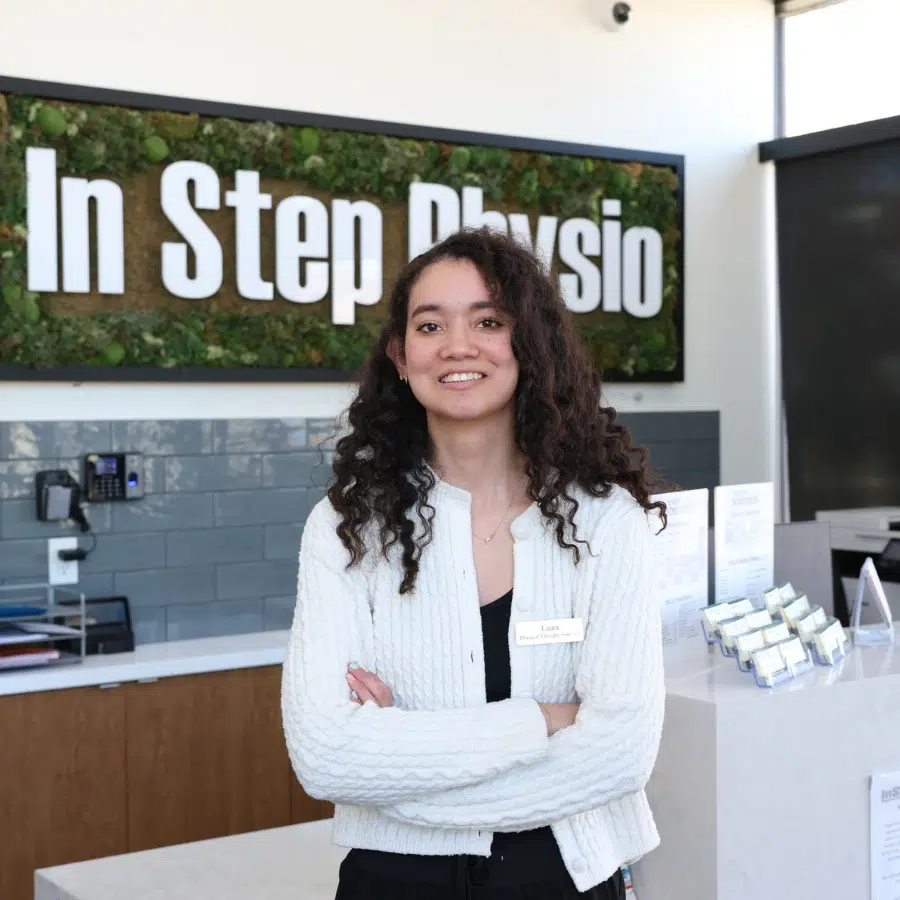
Laura Villamizar
Physical Therapy Assistant
Laura plays a vital role in assisting patients through their rehabilitation routines. Her compassionate, hands-on support ensures continuity of care, helping clients stay motivated and progress confidently through their amputation rehab journey.

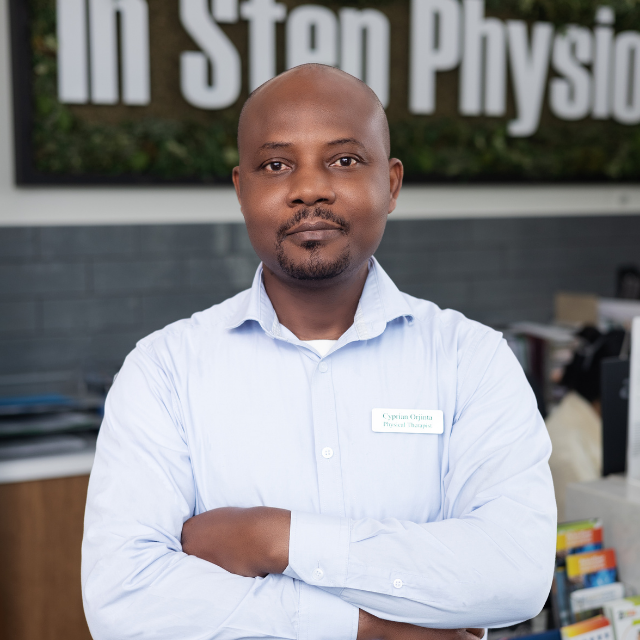
Our team is here to answer your questions and guide you through your next steps.
Book An Appointment
Reach Us
- Address - 10667 113 St NW, Edmonton, AB T5H 3H6
- Phone - (587) 409-1754
- Email - info@instepphysio.ca
- Business Hours - Mon – Fri: 8 am – 8 pm
- Business Hours - Sat: 8 am – 4 pm