We Are a Trauma Informed Edmonton Physiotherapy Practice Near You!Treating Clients in Edmonton for over 25 Years.Getting a Lymphatic Drainage Massage? Boost it with Shockwave Therapy for just $30!We Are a Trauma Informed Edmonton Physiotherapy Practice Near You!Treating Clients in Edmonton for over 25 Years.Getting a Lymphatic Drainage Massage? Boost it with Shockwave Therapy for just $30!







Physiotherapy Edmonton
Athletic Therapy in Edmonton
Rebuild Strength. Restore Confidence. Return to Your Game.
Get Consultation Now
Athletic Therapy in Edmonton
Unlock Mobility and Resilience with Professional Athletic Therapy Support in Edmonton
Athletic Therapy in Edmonton focuses on one goal: getting you moving confidently again. Whether you’re an elite athlete, a weekend runner, or someone who enjoys staying active, athletic therapy helps you recover from injuries, prevent reoccurrence, and perform at your peak.
At In Step Physiotherapy, we help individuals of all ages regain function after musculoskeletal injuries, those affecting muscles, bones, and joints. Through customized rehabilitation programs, our therapists guide you through every stage of recovery, enabling you to return safely to the sport or activity you enjoy most.
Who Can Benefit from Athletic Therapy?
Athletic therapy is for more than just competitive athletes; it’s for anyone who wants to move confidently, recover effectively, and prevent future injuries. Our programs at In Step Physiotherapy are made for people of all ages and activity levels.
You may benefit from athletic therapy if you are:
- A sportsman recuperating from a dislocation, sprain, or strain
- A weekend warrior looking to maintain physical fitness and prevent recurring pain
- An active worker whose job involves repetitive lifting, bending, or overhead movements
- A student athlete managing overuse injuries or poor training mechanics
- An individual recovering post-surgery and ready to restore full strength and mobility
- Someone dealing with posture or movement-related discomfort caused by sitting, driving, or desk work
- Older adults aiming to maintain balance, coordination, and safe mobility
Athletic therapy is also ideal for those who may not have an acute injury but want to enhance performance, improve movement efficiency, or build resilience against future strain.
At our clinic, we combine evidence-based physiotherapy principles with athletic rehabilitation strategies to help you stay strong, active, and independent.
What Conditions Can Athletic Therapy Address?
Athletic therapy focuses on musculoskeletal conditions, including injuries and imbalances that involve muscles, bones, joints, tendons, and ligaments. Our therapists work with a wide variety of concerns, from acute injuries to chronic dysfunctions.
Common Conditions We Treat Include:
Sports and Overuse Injuries
- Sprains and ligament tears (ankle, knee, shoulder)
- Muscle strains and tendon injuries (hamstring, quadriceps, rotator cuff)
- Tennis elbow and golfer’s elbow
- Shin splints and stress reactions
- Runner’s knee (patellofemoral pain syndrome)
- IT band friction syndrome
Post-Surgical Rehabilitation
- ACL, MCL, or meniscus repairs
- Shoulder stabilization or rotator cuff surgery
- Hip and knee replacement recovery
- Tendon reconstruction or arthroscopic procedures
Neuromuscular and Functional Conditions
- Foot drop rehabilitation with Bioness L300 Go
- Hand weakness or grip impairment supported by Bioness H200
- Neck weakness or post-whiplash pain treated with Iron Neck conditioning
- Coordination and balance deficits following injury
Chronic Pain and Posture-Related Issues
- Low back pain
- Hip and pelvic imbalance
- Shoulder impingement
- Poor posture due to work or sedentary habits
Concussion-Related Musculoskeletal Symptoms
- Cervical strain, dizziness, and balance dysfunction post-concussion
Each treatment plan is carefully tailored to your injury stage, physical condition, and goals. Our goal is to help you regain full function and prevent future re-injury through active recovery and movement education.
How Does Athletic Therapy Work?
Athletic therapy combines hands-on care, targeted exercise, and functional retraining to help your body recover, move efficiently, and perform without restriction. At In Step Physiotherapy, our approach combines traditional physiotherapy methods with innovative rehabilitation technologies to provide a comprehensive treatment experience.
Key Components of Our Approach
1. Assessment and Planning
Every program begins with a thorough biomechanical and functional movement assessment. Using objective movement assessment, our therapists can record and analyze your body’s motion in real time. This technology identifies asymmetries, compensations, and imbalances that may be contributing to your pain or movement limitations.
2. Soft Tissue Techniques and Manual Therapy
Our therapists use gentle joint mobilization, myofascial release, and soft tissue therapy to restore flexibility, reduce tightness, and promote circulation in affected muscles and joints.
3. Active Exercise Rehabilitation
We develop sport-specific exercises that target strength, stability, coordination, and endurance. Whether you’re rebuilding after an ACL injury or working on shoulder mobility, your exercise plan is tailored to your goals.
4. Neuromuscular Re-Education and Technology Integration
We incorporate innovative tools to restore functional control and precision in your movements:
- Bioness L300 Go: A wireless functional electrical stimulation (FES) system that helps those with foot drop regain a natural walking pattern. It improves dorsiflexion, stability, and confidence in every step.
- Bioness H200: Designed for hand and wrist rehabilitation, this system helps restore hand function, grip strength, and coordination after injury or nerve involvement.
- Iron Neck: A unique device that strengthens the neck through controlled, multi-directional resistance training, ideal for those recovering from whiplash, concussion-related issues, or contact sports injuries.
These technologies enable the targeted activation of weak or inhibited muscles, allowing for improved movement patterns that occur more quickly and effectively.
5. Functional Training and Return-to-Sport Preparation
Once your movement quality improves, we integrate functional strength and conditioning exercises that mimic real-life or sport-specific movements. Our therapists guide you through balance drills, plyometrics, and progressive loading to help you transition safely back into play.
6. Education and Prevention Strategies
We emphasize body awareness and proper mechanics to help you recognize early warning signs of strain or fatigue. You’ll learn personalized warm-up and cooldown routines, proper lifting techniques, and stretching sequences to maintain results long after your therapy ends.
This integrated model of Athletic Therapy in Edmonton promotes not only recovery but also long-term physical health and movement resilience.
What Can You Expect During an Athletic Therapy Session?
Every session at In Step Physiotherapy is dynamic, educational, and personalized to your goals. Whether you’re starting recovery or preparing to return-to-sport, we ensure each visit moves you closer to full function.
Here’s What You Can Expect:
Our Athletic Therapy in Edmonton sessions focus on active engagement and measurable improvement, helping you return to movement with confidence and resilience.
Beyond Injury: How Do We Support Injury Prevention and Performance?
Athletic Therapy goes beyond treating injuries; it’s about building resilience and optimizing performance. At our clinic, we focus on improving your baseline, not just restoring it, so you can move stronger, safer, and more efficiently.
We Help You Build a Higher Capacity
Many overuse injuries stem from muscle imbalance, restricted joints, or poor mechanics. Our therapists proactively address these through:
- Biomechanical Analysis: We assess how you move, running, jumping, or lifting, to spot compensations or inefficient patterns before they cause injury.
- Correcting Imbalances: Targeted programs restore balance between strength and flexibility, such as strengthening glutes and core to support knee and back health.
- Resilience Training: Progressive loading helps your body safely adapt to higher physical demands, preventing reinjury and supporting long-term activity goals.
We Help Athletes and Active Individuals Achieve Performance Goals
Athletic Rehabilitation also enhances performance for those pursuing sport or fitness.
- Sport-Specific Training: Tailored exercises mimic your activity to improve agility, speed, and endurance that translate directly to real-world performance.
- Pre-Season Conditioning: Prepares your body for upcoming training cycles, enhancing movement efficiency and reducing the risk of early-season injuries.
- Maintenance Programs: Regular tune-ups help monitor movement, maintain joint mobility, and adjust conditioning as your goals evolve.
With consistent Athletic Therapy in Edmonton, the transition from recovery to peak performance becomes seamless, empowering you to move with confidence, strength, and longevity.
Take the Next Step Toward Recovery
Your athletic journey doesn’t end with injury; it evolves. At In Step Physiotherapy, we help you regain control of your movement, prevent future injuries, and return to the activities you love most. Athletic Therapy in Edmonton provides the guidance and tools needed to support your recovery and long-term performance.
Whether you’re an athlete striving to perform better or simply want to move with confidence, our team is here to guide your recovery every step of the way.
Book your appointment today and start rebuilding strength, mobility, and balance, step by step.
Real Stories: Athletic Therapy in Edmonton Success Stories
Hear from our clients about their recovery journeys with Athletic Therapy in Edmonton.

Came in with a knee injury. Ligament was hurt, meniscus issues and scar tissue. It’s been about two months now receiving Roop’s help and I can feel such relief.
When they put in the effort and us as patients reciprocate and do our exercises at home, you can really feel the improvement.
The environment here is wonderful, everyone is happy and treats me with respect.
I really appreciate the help and healthy environment this place has.
Monica Gugliotta
Wow, actually a nice place. Good service friendly, clean and good team working together I love it
Thank you to the In Step physio team! I will be coming back here any time I have issues or injuries with my body
Thank you so much team💕🙏
Abdirashid Tifow
Neha, Laura and Sheila were all friendly and accommodating to the issues I came with. They are kind and very helpful with any questions or concerns I had with my ankle sprain and my physio routine.
Each appointment I am taught new exercises to work on to help heal my ankle sprain and I am making quick and noticeable progress with my healing after each appointment.
Thank you to the In Step physio team! I will be coming back here any time I have issues or injuries with my body.
William Henry Palaganas
Excellent customer service and great service delivery at In-Step Physio.
I have been meeting Neha as my physiotherapist for a back injury and the results in a shortest period of time are amazing. I am steadily recovering and happy gaining my health back together.
Bravo!
Josephine Nakafeero
Regain Your Strength: Athletic Therapy in Edmonton Explained
Discover how Athletic Therapy in Edmonton helps you recover, prevent injuries, and move better.
Frequently Asked Questions:
General Information
What is Athletic Therapy?
Athletic Therapy focuses on assessing, managing, and rehabilitating musculoskeletal injuries to restore mobility and function in active individuals.
Who can benefit from Athletic Therapy?
Athletes, active adults, and anyone recovering from musculoskeletal injuries or looking to prevent recurring issues can benefit from therapy sessions.
How does Athletic Therapy differ from physiotherapy?
Athletic Therapy emphasizes injury prevention, return-to-sport strategies, and performance rehabilitation, while physiotherapy covers broader medical and post-surgical rehabilitation needs.
When should I see an Athletic Therapist?
After a musculoskeletal injury, recurring discomfort, or when returning to physical activity following an extended break or surgery.
Do I need a doctor’s referral?
Most Athletic Therapy sessions do not require a referral, but some insurance plans may ask for documentation from a healthcare provider.
Are sessions covered by insurance?
Many extended health insurance plans include Athletic Therapy coverage. Verification with your provider is recommended before starting therapy.
Can Athletic Therapy help with chronic injuries?
Yes, therapists develop exercise and rehabilitation plans to improve function and reduce recurring issues over time.
Is Athletic Therapy only for athletes?
No, anyone recovering from an injury or looking to improve movement and function can participate in therapy sessions.
How long is a typical session?
Depending on the needs of the assessment and the specific treatment plans, sessions typically last 45 to 60 minutes.
Can Athletic Therapy prevent injuries?
Yes, therapists provide movement analysis, strength programs, and education to reduce the risk of recurring or new injuries.
Assessment and Evaluation
What happens during the first session?
A detailed assessment is conducted, including injury history, movement evaluation, and functional testing to create a tailored plan.
Do I need imaging tests before therapy?
Not always; imaging may be recommended for certain injuries, but therapists can assess many musculoskeletal conditions without it.
How is injury severity determined?
Through physical assessment, range-of-motion testing, and functional exercises to evaluate joint, muscle, and soft tissue health.
Will my therapy plan change over time?
Yes, plans are adjusted based on progress, healing rate, and functional goals to ensure optimal recovery.
Do therapists measure strength and flexibility?
Yes, strength, flexibility, balance, and joint stability are commonly evaluated to guide exercise selection and rehabilitation focus.
Can Athletic Therapy detect movement compensation?
Yes, therapists look for compensatory behaviours that could limit performance or lead to injury.
Are posture assessments included?
Posture and alignment are often assessed, as imbalances can contribute to recurring injuries or reduced movement efficiency.
How often are reassessments done?
Reassessments typically occur every few sessions or at key milestones in recovery to track progress and adjust treatment.
Will my lifestyle be considered in the assessment?
Yes, activity levels, work demands, and daily movement patterns influence therapy planning.
Do therapists use functional movement screens?
Functional movement screens are commonly used to identify weaknesses, imbalances, or restrictions affecting performance and injury risk.
Treatment Approaches
What types of exercises are included in therapy?
Exercises include mobility drills, strengthening, balance, and sport-specific movements to restore function and prevent re-injury.
Are hands-on techniques part of therapy?
Yes, soft tissue massage, joint mobilization, and manual techniques are often applied to improve mobility and tissue recovery.
Can Athletic Therapy help post-surgery?
Yes, it focuses on restoring function, improving movement patterns, and gradually returning to activity after surgery.
How is recovery monitored?
Progress is tracked using functional tests, patient feedback, and observation of movement quality over time.
Do therapists provide home exercise programs?
Yes, customized home programs are given to support recovery between sessions and reinforce therapeutic gains.
Are braces or supports recommended?
Supports may be suggested temporarily to stabilize joints or assist with rehabilitation exercises.
Can therapy address repetitive strain injuries?
Yes, therapy targets underlying movement patterns, strength imbalances, and ergonomics to reduce strain and recurring symptoms.
Is therapy safe for older adults?
Yes, exercises are modified for age, mobility, and existing conditions to ensure safe rehabilitation.
Do therapists work with sports teams?
Some therapists collaborate with teams to provide injury assessment, rehabilitation, and prevention programs for athletes.
Are warm-up and cool-down techniques taught?
Yes, therapists educate clients on proper warm-ups, stretching, and recovery strategies to minimize injury risk.
Recovery and Progress
How long does recovery take?
Recovery depends on injury type, severity, and individual factors. Progress is gradual and guided by functional improvement.
Will I regain full movement after therapy?
Many individuals regain significant function; recovery depends on injury type, healing, and adherence to exercises.
Can therapy improve performance?
Therapy can optimize movement patterns, strength, and balance, supporting safer participation in physical activities.
How often should sessions occur?
Frequency depends on injury severity and goals, typically one to two sessions per week initially.
Is it normal to feel sore after exercise?
Rehabilitation exercises may cause mild soreness; therapists should be notified of any severe or ongoing pain.
Will therapy help prevent future injuries?
Therapists focus on correcting imbalances, improving strength, and teaching safe movement patterns to reduce injury risk.
Can I continue other physical activities during recovery?
Yes, therapists guide activity modifications to allow safe participation while protecting injured areas.
Are progress milestones set?
Yes, clear functional goals and benchmarks are established to measure improvement and guide the rehabilitation process.
How is return-to-sport readiness determined?
Therapists evaluate strength, mobility, balance, and sport-specific skills to determine safe return to activity.
Do therapy results last long-term?
Maintaining exercises and movement strategies learned in therapy helps sustain gains and reduce recurring issues.
Lifestyle and Education
Will I learn injury prevention strategies?
Yes, education includes movement techniques, strengthening routines, and lifestyle modifications to reduce future injury risk.
Can therapy address work-related injuries?
Yes, programs can be tailored to repetitive strain, posture, or job-specific movement challenges.
Are nutrition or recovery habits discussed?
Basic lifestyle guidance may be provided, focusing on factors that support tissue repair and overall recovery.
Do therapists offer ergonomic advice?
Yes, assessment and modifications for workstations, daily tasks, and sports equipment may be suggested.
Is goal-setting part of therapy?
Yes, realistic, functional goals are set to monitor progress and motivate recovery.
Can therapy help with stress-related muscle tension?
Therapists may address muscular tension through stretching, strengthening, and postural education to reduce discomfort.
Does therapy include balance and coordination training?
Yes, exercises often include balance, proprioception, and coordination to support safe movement and injury prevention.
Are mental strategies discussed during therapy?
Therapists may discuss pacing, focus, and confidence-building strategies to support rehabilitation and consistent exercise participation.
Can therapy improve daily movement efficiency?
Yes, assessments and exercises are designed to restore efficient, safe, and functional movements for daily tasks.
How do I maintain results after therapy ends?
Continuing exercises, monitoring posture, and applying movement strategies learned in therapy help maintain functional improvements long-term.
Meet Our Athletic Therapy-Focused Team

Giri Srinivasan
Sports Physiotherapist – Owner & CEO
Registered Physiotherapist & Owner
With 25+ years in orthopedic, sports, and neuro rehab, Giri combines advanced manual therapy, movement screening (FMS/SFMA), spinal manipulation, concussion care, and pelvic health expertise to deliver athlete-specific rehabilitation. From golf performance to chronic pain management, Giri’s holistic approach to athletic therapy sets the tone for the entire clinic.
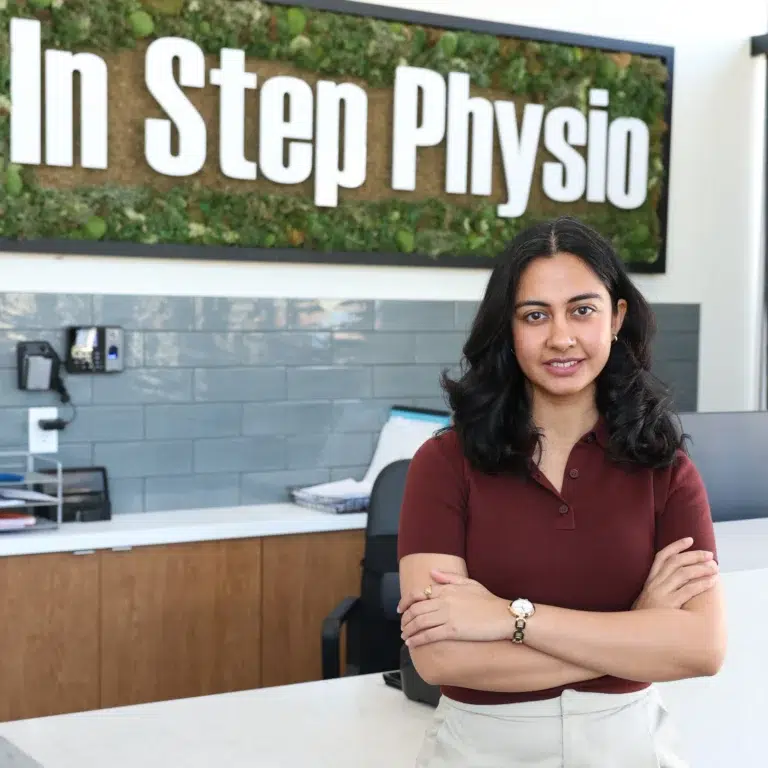
Roopreet Kaur
Sports Physiotherapist
Registered Physiotherapist
Roopreet works with active patients through assessment-led manual therapy and progressive loading, with close attention to how training volume, posture and daily activity affect symptoms. Her focus is on getting athletes back to full training rather than just out of pain.

Neha Anil Saraf
Sports Physiotherapist
Registered Physiotherapist
Neha combines hands-on treatment with individualised exercise programmes built around each athlete’s sport and goals. She works on movement quality and strength so that recovery holds up under competitive demands.

Cyprian Orjinta
Sports Physiotherapist
Registered Physiotherapist
Cyprian focuses on restoring movement, strength and confidence through structured, progressive rehabilitation. He works with athletes on graded return to sport after injury, building capacity step by step.

Cam Graber
Registered Massage Therapist
Registered Massage Therapist
Blending massage therapy with a coaching and martial arts background, Cam supports athletic recovery through deep tissue, sports massage, and movement-based therapy. His long-standing work with hockey teams and athletes makes him a go-to for targeted treatment and post-competition care.

Rashmi Valk
Registered Massage Therapist
Registered Massage Therapist
Rashmi’s adaptable massage approach addresses chronic pain, sports injuries, and rehab support with precision. Her deep tissue and rehab-focused treatments are perfect for athletes looking to recover faster and move better.
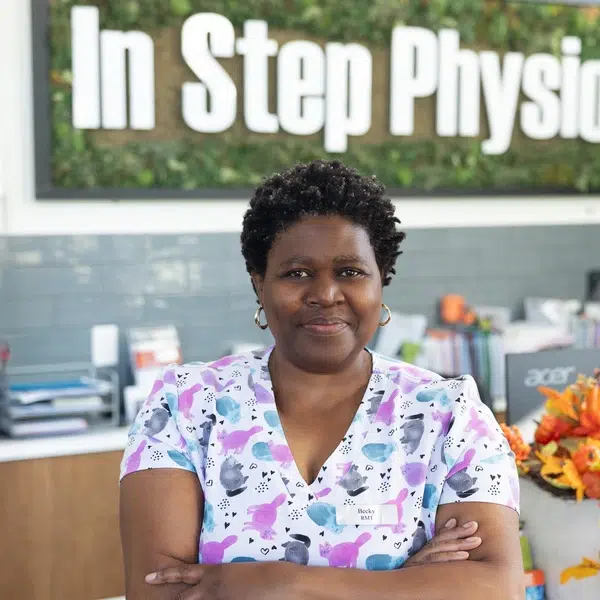
Becky Mhlanga
Registered Massage Therapist
Registered Massage Therapist
Trained in therapeutic, deep tissue, and sports massage, Becky’s clinical approach supports pre- and post-training recovery. Her nursing background adds another layer of care to her treatments, especially for those navigating injury rehab.
Our team is here to answer your questions and guide you through your next steps.
Book An Appointment
Reach Us
- Address - 10667 113 St NW, Edmonton, AB T5H 3H6
- Phone - (587) 409-1754
- Email - info@instepphysio.ca
- Business Hours - Mon – Fri: 8 am – 8 pm
- Business Hours - Sat: 8 am – 4 pm