We Are a Trauma Informed Edmonton Physiotherapy Practice Near You!Treating Clients in Edmonton for over 25 Years.Getting a Lymphatic Drainage Massage? Boost it with Shockwave Therapy for just $30!We Are a Trauma Informed Edmonton Physiotherapy Practice Near You!Treating Clients in Edmonton for over 25 Years.Getting a Lymphatic Drainage Massage? Boost it with Shockwave Therapy for just $30!








Physiotherapy Edmonton
Functional Neurological Disorder Physiotherapy Edmonton
Supporting Neurological Recovery, Step by Step
Get Consultation Now
FND Physiotherapy and Rehabilitation Edmonton
Restoring Function and Balance Through Compassionate Care
Have you ever experienced sudden weakness, tremors, or episodes that seem like seizures but aren’t epilepsy?
Do your symptoms seem to fluctuate, feeling fine one moment and struggling to move the next?
Have medical scans shown no structural problems, yet your symptoms feel very real and distressing?
Are you searching for a way to regain control of your body and confidence in your movements?
And most importantly, are you wondering if physiotherapy can truly help you recover from these symptoms?
If any of these questions sound familiar, you may be dealing with a Functional Neurological Disorder (FND), a condition where the communication between the brain and body becomes disrupted. At In Step Physiotherapy in Edmonton, we understand that FND can be both confusing and life-changing.
Our Functional Neurological Disorder Physiotherapy Edmonton is designed to bridge that mind-body gap through evidence-based care that focuses on restoring natural movement, enhancing coordination, and building resilience. At our physiotherapy clinic, we don’t just look at physical symptoms; we address emotional well-being, cognitive challenges, and lifestyle factors that all play a role in your recovery.
Understanding Functional Neurological Disorder (FND)
Functional Neurological Disorder (FND) is a condition where the brain struggles to send and receive proper signals to different parts of the body. This disruption can lead to functional movement disorders, functional weakness, sensory issues, or episodes resembling seizures.
While there’s no single cause for FND, factors such as stress, trauma, or psychological strain often play a role. Many individuals with FND notice that their symptoms worsen when they focus on them and improve when they’re distracted. This pattern helps explain why symptoms can vary from day to day or even moment to moment.
Our FND Integrated Program – Comprehensive and Supportive Care
At In Step Physiotherapy, our FND Integrated Program was developed to care for the whole person. We provide a safe, encouraging environment where our physiotherapists, psychologists, and kinesiologists collaborate to support every aspect of your recovery.
Here’s a breakdown of what our program includes:
Each component works hand-in-hand to create a holistic FND rehab journey that helps you move forward with confidence.
- Intensive FND rehabilitation
- FND psychology sessions
- Speech-language pathology sessions
- Kinesiology sessions
Symptom Model and How Physiotherapy Can Help?

How FND Is Evaluated
One of the most important shifts in FND over the past two decades is how it is evaluated. FND is not an evaluation of exclusion; it is not what is left over when every test comes back normal.
It is assessed on positive clinical signs: specific findings a trained clinician can demonstrate on examination, which show that the nervous system pathways are intact but are not being accessed in the usual way. A classic example is a weakness that is present on direct testing but returns when attention is elsewhere.
Two things follow from this, and both matter:
Your symptoms are real. FND is a problem with how the nervous system functions, not with whether the symptoms exist. They are not imagined and not produced deliberately.
An assessment can be made confidently. It rests on what is found, not on the absence of other findings, which is why waiting for “one more test” is rarely the right next step.
Evaluation itself sits with your physician or neurologist. Our role is the rehabilitation that follows, and understanding the evaluation is genuinely part of the treatment; people who understand why their symptoms happen tend to engage differently with rehabilitation.
If you have been told your scans are normal but have not received an explanation you understand, that is worth raising with your physician. “Nothing is wrong” is not the same as an FND evaluation.
Conditions Treated
Functional Neurological Disorder encompasses a range of symptoms and subtypes, each impacting different systems of the body. Our physiotherapy clinic provides compassionate care for individuals living with:
Functional Motor Disorder (FMD)
Difficulty with voluntary movements like walking, gripping, or coordinating body parts. Our physiotherapists use functional retraining exercises to help restore normal motion patterns.
Functional Seizures (Non-Epileptic Seizures)
Episodes that look like epileptic seizures but are not triggered by irregular brain electrical signals. Through FND rehab, we teach body awareness and stress regulation to reduce episode frequency.
Functional Sensory Disorders
Issues such as numbness, tingling, or loss of sensation. Our team incorporates sensory re-mapping strategies to retrain how your brain processes sensory information.
Functional Speech and Swallowing Disorders
Speech irregularities or difficulty swallowing can arise from FND. With coordinated therapy sessions, we aim to improve speech clarity, voice control, and swallowing function.
Functional Gait and Balance Disorders
If you feel unsteady or have trouble walking, our FND physiotherapy sessions help retrain your body’s automatic walking patterns and rebuild balance.
Functional Cognitive Symptoms
Problems with concentration, memory, or problem-solving are common. We use practical cognitive training and dual-task exercises to strengthen these areas.
Complex Regional Pain Syndrome (CRPS)
FND can sometimes include persistent pain syndromes like CRPS. Our program incorporates pain education, graded movement, and gentle desensitization techniques.
Persistent Postural Dizziness & Persistent Post-Concussion Symptoms
For those dealing with dizziness or lingering post-concussion effects, our approach combines vestibular rehabilitation, postural control, and sensory re-integration strategies.
Functional Weakness
Functional weakness can cause one limb or an entire side of the body to feel heavy or “switched off.” Our approach focuses on movement facilitation and targeted strengthening to help restore coordination and balance.
Functional Tremor and Jerky Movements
Involuntary shaking, twitching, or jerky motions are common in FND. Using rhythmic retraining, relaxation techniques, and controlled attention exercises, we help stabilize movements and reduce tremor frequency.
Functional Visual Disturbances
Some individuals experience blurred vision, double vision, or episodes of vision loss linked to FND. We collaborate with healthcare professionals and incorporate visual-motor exercises to help retrain the brain’s visual processing pathways.
Functional Limb Paralysis or Drop Attacks
When a limb suddenly stops working or collapses without structural injury, it can be alarming. Our physiotherapy techniques gently reintroduce controlled movement while reducing fear and improving confidence in motor control.
Functional Fatigue and Energy Regulation Issues
Many individuals with FND struggle with overwhelming fatigue or fluctuating energy levels. We provide energy management strategies, pacing techniques, and low-impact conditioning to support sustainable recovery.
Functional Sensory-Motor Integration Difficulties
Sometimes, the brain’s ability to coordinate sensory feedback with physical action becomes impaired. Through structured FND physiotherapy exercises, we help synchronize these processes, promoting smoother and more reliable body control.
Key Components of Our Integrated Therapy Approach
At In Step Physiotherapy in Edmonton, our Functional Neurological Disorder Physiotherapy program is built around an integrated and collaborative model of care. We believe recovery is most effective when the mind and body are treated as one, addressing not only movement but also emotions, lifestyle, and mental well-being.
Here’s how each part of our approach contributes to your recovery journey:
1. Physical Therapy – Restoring Functional Movement:
Physical therapy forms the core of our FND rehab program. Our physiotherapists focus on retraining movement patterns that have become disrupted due to the brain-body communication disconnect.
Here’s what we focus on during your physical therapy sessions:
- Functional Training: We guide you through exercises that mimic real-life movements such as walking, standing, and reaching to rebuild automatic, natural motion.
- Strength & Flexibility Workouts: Personalized routines help restore muscular endurance and mobility, improving your ability to move with confidence.
- Nervous System Regulation: Gentle movement-based techniques teach your body how to regulate stress responses and reduce symptom flare-ups.
- Balance & Coordination Exercises: By combining balance drills and coordination retraining, we help you feel grounded and steady in daily activities.
2. Psychology – Building Emotional Resilience and Awareness:
We understand that Functional Neurological Disorder not only affects the body it also impacts emotional and cognitive health. Our psychological support component focuses on helping you manage stress, anxiety, and emotional triggers that may influence FND symptoms.
Our psychology sessions are centred around:
- Emotional Awareness: Helping you recognize and process emotional responses that can influence physical symptoms.
- Mindfulness & Coping Skills: Teaching practical relaxation, breathing, and grounding techniques to calm your nervous system and reduce symptom intensity.
- Cognitive Training: Exercises that enhance focus, problem-solving, and memory, helping you manage cognitive symptoms often associated with FND.
- Behavioural Strategies: Learning how to redirect attention and break negative symptom cycles that reinforce physical difficulties.
3. Kinesiology & Fitness – Strengthening the Body Safely:
Movement and exercise are vital for maintaining progress, but they need to be approached gently and thoughtfully when dealing with FND. Our kinesiologists and fitness professionals create tailored exercise plans that promote physical health while respecting your comfort and boundaries.
This part of your rehabilitation may include:
- Functional Fitness Workouts: Purposeful exercises designed to build endurance, coordination, and physical resilience without overwhelming your body.
- Low-Impact Cardio & Strength Training: Activities like stationary cycling, resistance band work, or body-weight training that safely enhance cardiovascular health and muscle strength.
- Progressive Conditioning: Gradual, structured routines that help you build stamina and confidence over time.
- Body Awareness Training: Encouraging controlled movement, posture correction, and pacing to prevent fatigue or overexertion.
4. Speech-Language Pathology – Restoring Speech and Swallowing:
Functional Neurological Disorder can affect speech, voice and swallowing. Functional speech symptoms — slurred or effortful speech, stammering that was not there before, or a sense that words will not come out — are real and treatable, and they respond to the same principles as the rest of FND rehabilitation.
Speech-language pathology may involve:
- Functional speech retraining: Techniques that restore automatic, natural speech patterns rather than forcing effortful control.
- Voice work: Addressing changes in volume, pitch or vocal effort.
- Swallowing assessment and strategies: Where functional swallowing difficulty is affecting eating and drinking.
- Communication confidence: Practical strategies for conversation, work and social situations.
Our speech-language pathologist works alongside the physiotherapy and psychology team so that speech, movement and emotional aspects are addressed together rather than in isolation.
5. Patient Education – Empowering You for Long-Term Success:
Knowledge is one of the most powerful tools in FND recovery. Our In Step physio team ensures that you understand your condition, know what to expect during the process, and feel confident managing symptoms on your own.
Our education and self-management support includes:
- Understanding FND: We provide simple, accessible explanations of how Functional Neurological Disorder affects the brain and body. This helps reduce uncertainty and fear surrounding your symptoms.
- Family & Caregiver Training: We educate your loved ones about FND so they can support your recovery effectively and compassionately.
- Self-Management Techniques: We teach you how to recognize early warning signs of flare-ups and use practical coping methods to manage them.
- Relapse Prevention: You’ll learn how to maintain progress, prevent regression, and sustain the improvements you’ve worked hard to achieve.
Technologies and Services That Support FND Physiotherapy
At In Step Physiotherapy in Edmonton, we combine evidence-based physiotherapy techniques with technology to enhance recovery for individuals living with Functional Neurological Disorder (FND).
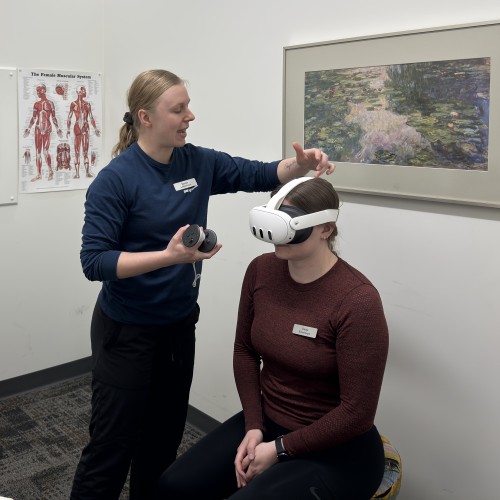
Virtual Reality Rehabilitation
Virtual reality creates immersive, safe environments where patients can practice walking, balance, and reaction exercises. For those with functional weakness or movement hesitation, VR helps the brain relearn automatic control by focusing attention on purposeful, enjoyable activities rather than symptoms.
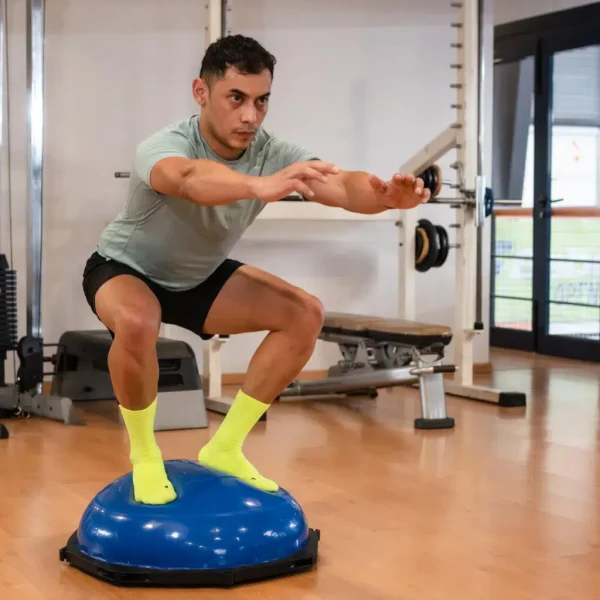
Steady Steps® Program
Steady Steps® is an evidence-based balance training system designed to restore safe walking and reduce fall risk. Integrated into Functional Neurological Disorder Physiotherapy, it helps patients with balance issues, tremors, or functional gait disorders regain steadiness through progressive, structured exercises.
How Functional Neurological Disorder Physiotherapy Helps:
Reconnecting the Brain and Body
At In Step Physiotherapy in Edmonton, our Functional Neurological Disorder Physiotherapy focuses on rebuilding the communication between your brain and body. When this connection is disrupted, movement can feel awkward or uncoordinated. Through guided exercises, we help restore smooth, natural control.
Retraining Movement Patterns
Even when muscles and nerves are healthy, FND can make the body react unpredictably. We use calm, repetitive movements and gentle reinforcement to help your brain “relearn” natural motion without overthinking or tension.
Improving Awareness and Coordination
Sessions progress from simple to more complex movements. Our physiotherapists help you develop balance, coordination, and body awareness so you can move confidently and comfortably again.
Managing Stress and Reducing Triggers
Because stress can intensify symptoms, we include relaxation techniques like deep breathing and focus shifting. These help calm your nervous system and support steady, reliable movement.
Promoting Independence and Confidence
We empower you with self-management tools to use beyond the clinic, helping you handle flare-ups, maintain progress, and move with greater ease and confidence every day.
Why Choose In Step Physiotherapy for FND Physiotherapy in Edmonton?
While many clinics offer general rehabilitation, at In Step Physiotherapy, our focus is on creating a supportive ecosystem where every individual receives care that’s meaningful, coordinated, and truly personal. We don’t see recovery as a checklist of exercises; we see it as a journey that blends compassion, education, and teamwork.
1. A Whole-Person Approach
We believe that movement is more than muscle work; it’s emotional, cognitive, and social. Our physiotherapy approach embraces your full experience, helping you connect your body, thoughts, and feelings as one system of recovery.
2. Unified Teamwork, One Purpose
Our physiotherapists work hand in hand with psychologists and kinesiologists. This shared approach ensures your care plan addresses every factor influencing your recovery from stress management to sensory regulation.
3. Personalized Pathways
Every person’s FND story is different. We create a care pathway that reflects your experiences, strengths, and comfort level, always adapting as you grow in your recovery.
4. Collaborative Communication
Our In Step Physiotherapy maintains open communication with your healthcare team to maintain continuity of care. Everyone involved in your wellness journey stays on the same page, helping you feel supported from all directions.
5. A Safe Space for Growth
Our clinic provides a calm, understanding environment where you can be without fear of judgment. We encourage curiosity, celebrate effort, and guide you through challenges with empathy and patience.
At In Step Physiotherapy, we don’t just help you move, we help you rediscover trust in your body and your ability to lead an active, fulfilling life.
Is Functional Neurological Disorder Physiotherapy Edmonton Covered by Insurance?
Yes, in many cases, Functional Neurological Disorder Physiotherapy in Edmonton is covered under extended health insurance or workplace benefit plans. However, insurance coverage may vary based on your provider, policy type, and the specific services included in your plan.
Our administrative team can assist you by:
Confirming your eligibility:
We’ll help you understand which portions of your FND physiotherapy sessions are covered by your plan.
Providing direct billing:
We offer direct billing to most major insurance companies, so you don’t have to pay upfront and wait for reimbursement.
Clarifying combined coverage:
If you receive services from multiple therapists (such as psychology or kinesiology), we’ll help you determine how these align within your policy limits.
Supporting workplace or auto insurance claims:
For individuals recovering from work-related incidents or motor vehicle accidents, we can coordinate directly with insurers to streamline claims and approvals.
If your plan doesn’t fully cover all aspects of treatment, we’ll work with you to design a flexible program that fits your needs and financial situation without compromising the care you receive.
We always encourage clients to review their policy details or contact their provider directly before beginning treatment. If you’re unsure what questions to ask, our front desk team can even help you prepare a quick list to discuss with your insurer.
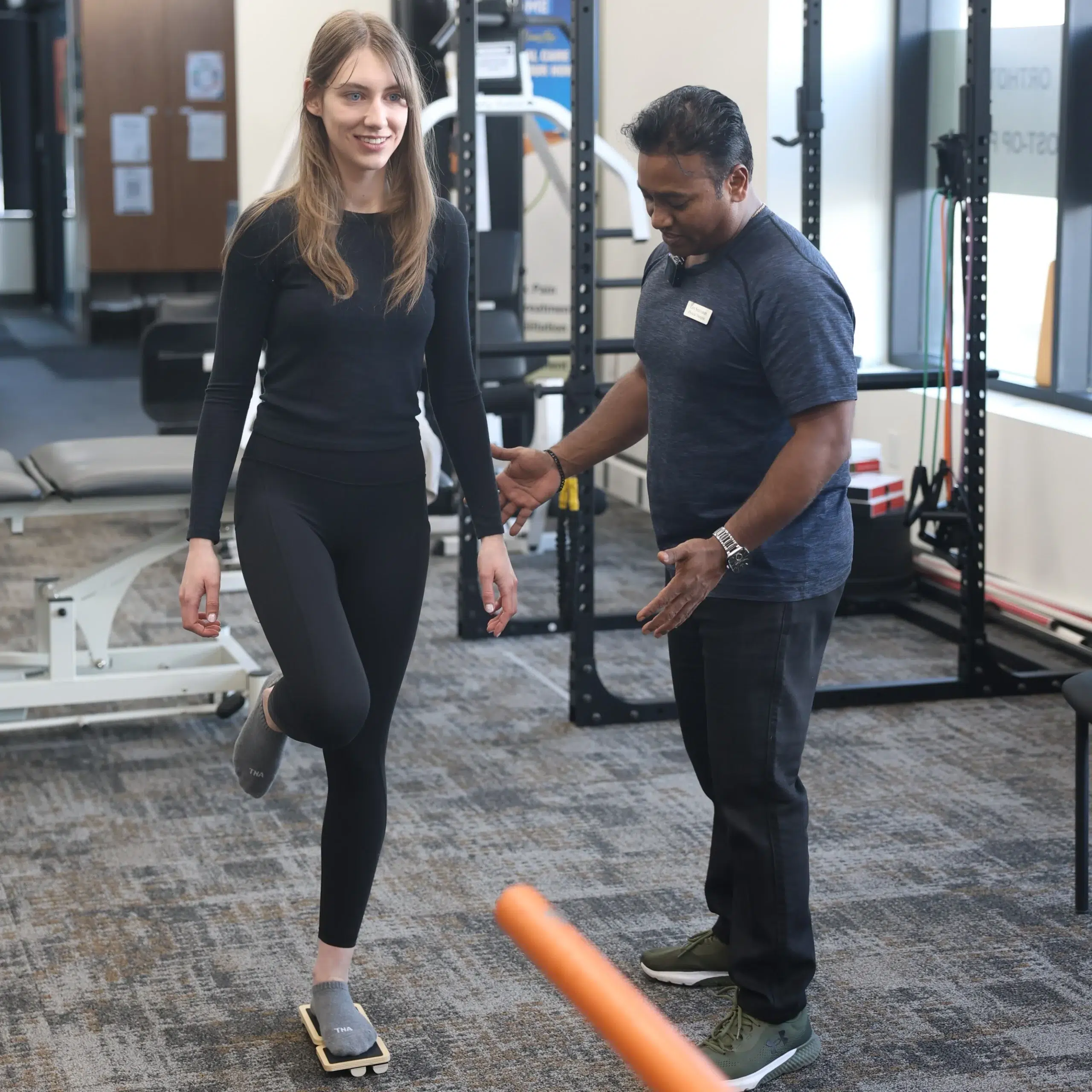
Ready to Begin Your FND Physiotherapy Journey?
Through our Functional Neurological Disorder Physiotherapy in Edmonton, we focus on helping you reconnect with your body, one step at a time. Our team’s goal is not just to help you move better but to help you feel better mentally, emotionally, and physically.
If you or someone you know is experiencing symptoms of a functional neurological disorder, we invite you to take the first step toward recovery. Our In Step Physiotherapy clinic in Edmonton is here to support you through every part of your rehabilitation process.
Book your appointment today and let’s work together toward restoring your balance, movement, and sense of self.
Call Now or use our online booking form to get started.
Reviews:
I went in after being diagnosed with FND, and the neurologist saying that nothing can be done. Looked online and found in step. Giri told me that within three months he’d have me back to normal. It was less than a month and I was driving again, walking without support. I will always recommend Giri and his crew to anyone that needs help. They are amazing and really know what they are doing. I would give ten stars if I could.
Christopher Hunt
My first visit to In Step Physiotherapy was the most practical help I’ve received in treating neuropathy. The detailed exercise program is something I can do to strengthen myself in order to improve my balance and strength.
Margaret Nero
i have been going for about 6 weeks now due to several neck and neauro surgeries and i am very glad that i found this clinic. Because of my specific injury and disease, it was tough to find a therapist who actually understood what my injury was about and how to begin my recovery but Giri has been absolutely amawaing. He and his staff work very hard all the time and my results have been awesome. Thank you.
Graham Yeske
Giri is an expert in his field, I would highly recommend himself or any of his staff. They are patience, kind, and professional. My daughter has been taking treatments since 2014 after brain surgery and continues to this day.
I have also had numerous treatments with lasting effects and educated in maintaining my physical body health. I Can’t say enough about the clinic and the amazing staff!
Gail Hay
The staff at In Step go above and beyond my expectations. You are welcoming, and dedicated, treating all who come through the door with kindness, respect and compassion.
Catherine Douglas
Watch Our Videos To Know More:
Frequently Asked Questions:
1. Understanding Functional Neurological Disorder (FND)
What is a Functional Neurological Disorder, and how does it affect the body?
A Functional Neurological Disorder (FND) occurs when the brain struggles to send and receive signals correctly, even though the nervous system itself is structurally healthy. This miscommunication can cause movement problems, tremors, or sensory changes. People often experience symptoms that seem neurological but have no structural damage. At In Step Physiotherapy in Edmonton, we help reconnect this brain-body link through personalized Functional Neurological Disorder Physiotherapy.
How is a Functional Neurological Disorder different from other neurological conditions?
Unlike conditions caused by nerve damage or lesions, FND involves a “software” problem in brain communication rather than a “hardware” issue. The brain is intact but temporarily misfires in sending signals to the body. This difference makes Functional Neurological Disorder Physiotherapy in Edmonton particularly effective, as therapy helps retrain normal movement and restore functional communication between the mind and body.
What are common FND symptoms people experience daily?
FND symptoms vary widely and can include tremors, weakness, unsteady gait, muscle stiffness, or episodes resembling seizures. Some individuals also experience speech difficulties, numbness, or fatigue. These symptoms can fluctuate, often improving when attention is shifted away from the affected area. Our FND physiotherapy approach focuses on identifying movement patterns and helping retrain them for smoother, more automatic function.
Can Functional Neurological Disorder cause both physical and emotional challenges?
Yes, Functional Neurological Disorder often affects both the body and mind. Physical symptoms like functional weakness or tremors can create emotional distress, while stress and anxiety can worsen physical symptoms. That’s why Functional Neurological Disorder Physiotherapy at In Step Physiotherapy in Edmonton includes emotional awareness and self-regulation strategies to support the whole person, not just the physical condition.
What is a functional movement disorder, and how is it linked to FND?
A functional movement disorder (FMD) is a subtype of FND that affects voluntary movements like walking, gripping, or coordination. People may experience jerky, tremulous, or frozen movements without any nerve damage. Through functional neurological physiotherapy, we help reprogram movement control by focusing on automatic, natural patterns rather than forced or conscious effort.
Is functional weakness a common symptom of Functional Neurological Disorder?
Yes, functional weakness is one of the most frequent symptoms of FND. It can affect one limb, one side of the body, or multiple regions. The weakness is genuine but not due to muscle or nerve damage. In FND rehab, we focus on retraining the body to respond automatically again, improving both strength and coordination through guided, repetitive movement.
What are some early signs that someone may have a functional motor disorder?
Early signs of a functional motor disorder can include sudden changes in balance, weakness, tremors, difficulty speaking, or problems controlling movements that seem inconsistent. Movements may worsen under attention and improve when distracted. At our Edmonton clinic, we assess these signs carefully and use functional neurological disorder physiotherapy to help restore natural movement control.
Can Functional Neurological Disorder lead to long-term movement problems?
FND can persist without proper care, but many people regain movement and confidence through consistent FND physiotherapy. Our goal is to help clients understand their condition and build control through functional movement training. With ongoing support and self-management tools, long-term movement challenges often reduce significantly.
How does attention or stress influence FND symptoms?
FND symptoms are often linked to attention and stress. When a person focuses on their movement difficulties, symptoms can intensify; conversely, when distracted or relaxed, movements may normalize. Our Functional Neurological Disorder Physiotherapy in Edmonton uses this understanding to teach redirection of attention, mindfulness, and calm movement retraining to minimize symptom interference.
Can FND symptoms come and go or change over time?
Yes, symptoms of Functional Neurological Disorder can fluctuate. Some days may feel easier than others, which is normal. Variability is a key feature of FND. Search for FND physiotherapy near me, we teach strategies to manage flare-ups and maintain consistency, helping clients stay active and confident even when symptoms shift.
2. Role of Physiotherapy in Functional Neurological Disorder
What is Functional Neurological Disorder Physiotherapy, and how does it help recovery?
Functional Neurological Disorder Physiotherapy focuses on retraining natural movement patterns that have been disrupted by FND. By combining guided exercises, sensory awareness, and stress regulation, we help re-establish proper communication between your brain and body. This approach encourages automatic, effortless movement and improves daily functioning.
How does FND physiotherapy differ from traditional physiotherapy programs?
Unlike standard physiotherapy, which targets structural injuries, FND physiotherapy works on the communication between mind and body. It combines motor retraining, attention redirection, and emotional awareness to restore natural function. Our Edmonton-based program focuses on building control and confidence in daily movements rather than just physical strength.
What happens during Functional Neurological Disorder Physiotherapy in Edmonton?
During sessions at In Step Physiotherapy, we begin by understanding your symptoms and goals. Our physiotherapists then guide you through customized exercises that reintroduce normal movement patterns, reduce abnormal responses, and build coordination. The environment is calm, encouraging, and designed to help you rediscover trust in your body.
Can physiotherapy help improve movement and balance in people with FND?
Absolutely. Many people with FND experience challenges with balance or coordination. Our Functional Neurological Disorder Physiotherapy in Edmonton uses graded balance training, dual-task activities, and posture control techniques to help improve stability and reduce falls or fatigue.
What is the main goal of functional neurological physiotherapy?
The goal of functional neurological physiotherapy is to restore natural, automatic movement while helping you feel safe and confident in your body. We aim to reduce symptoms, improve function, and provide tools for long-term self-management and independence.
Is FND physiotherapy effective for treating tremors or shaking movements?
Yes, physiotherapy can be highly beneficial for tremors related to FND. Our sessions focus on rhythm control, distraction techniques, and body awareness training to help calm erratic movements. Over time, tremors often reduce as the brain relearns normal movement coordination.
Can Functional Neurological Disorder Physiotherapy help reduce fatigue and weakness?
Yes. Fatigue and functional weakness are common in FND, and physiotherapy helps by restoring movement efficiency. Through pacing, gentle strengthening, and posture correction, our FND rehab sessions build resilience and help you manage energy levels effectively.
How does physiotherapy address the communication gap between the brain and body?
FND physiotherapy uses movement repetition and attention redirection to rebuild the brain’s communication pathways. By focusing on automatic actions rather than forced control, the nervous system begins to function more smoothly, restoring natural coordination and physical confidence.
What role does mindfulness play in FND physiotherapy sessions?
Mindfulness helps calm the nervous system, allowing the brain to send clearer signals to the body. During Functional Neurological Disorder Physiotherapy, we incorporate breathing, grounding, and relaxation techniques to help regulate stress and support smoother movement.
Is it normal to feel tired or emotional after FND physiotherapy?
Yes, it’s completely normal. FND therapy often involves both physical and emotional retraining. Feeling tired or reflective after a session means your brain and body are adjusting. Rest and hydration afterward support continued progress.
3. About the FND Rehab Program
What is FND rehab, and how does it support functional recovery?
FND rehab is a structured, multi-disciplinary program designed to help people manage Functional Neurological Disorder symptoms. It combines physiotherapy, psychology, and kinesiology to restore function, confidence, and overall well-being.
How long does a typical FND rehab program last at In Step Physiotherapy in Edmonton?
Our FND rehab program generally runs 8–12 weeks, depending on individual needs. During this period, clients attend multiple therapy sessions weekly, focusing on movement retraining, emotional regulation, and lifestyle balance.
What therapies are included in a functional neurological physiotherapy program?
Our integrated approach includes neuro-physiotherapy, psychology, kinesiology, and patient education. Together, these therapies promote recovery across physical, emotional, and cognitive levels.
What can I expect from an FND integrated program in Edmonton?
You can expect a team-based, compassionate approach focused on your individual goals. Each of our sessions builds on the last, helping you move more freely, manage symptoms, and regain control over your body.
How often should I attend FND physiotherapy sessions for steady progress?
Most clients attend two to three sessions per week during the initial phase. Consistency helps your brain and body adapt, reinforcing new, healthier movement patterns.
Is FND rehab suitable for people experiencing severe functional weakness?
Yes, it’s ideal for anyone dealing with functional weakness. Our physiotherapists tailor exercises to your ability, gradually building strength and confidence without overexertion.
What lifestyle advice is given as part of a Functional Neurological Disorder Physiotherapy program?
We encourage balanced activity, regular rest, mindful breathing, and gentle exercise. We also teach pacing strategies to help prevent flare-ups and improve daily energy.
Can FND rehab help with sensory disturbances or numbness?
Yes, sensory re-mapping is a major part of our Functional Neurological Disorder Physiotherapy in Edmonton. Through graded exposure and sensory training, the brain learns to interpret sensations more accurately.
How does functional movement retraining work in an FND rehab setting?
Movement retraining involves practicing simple, goal-oriented actions in a relaxed environment. With repetition, the brain relearns efficient motor control, replacing unhelpful movement patterns with natural, automatic ones.
4. Common FND Symptoms and Conditions Treated
What are the most common FND symptoms that physiotherapy can help with?
Common FND symptoms include tremors, weakness, fatigue, gait instability, and non-epileptic episodes. Our Functional Neurological Disorder Physiotherapy in Edmonton addresses these through guided movement re-education and nervous system regulation.
Can FND cause dizziness or balance problems?
Yes, dizziness and unsteadiness are frequent in FND. We use balance retraining, vestibular exercises, and sensory re-integration to help improve stability and reduce falls.
Is speech difficulty a possible symptom of Functional Neurological Disorder?
Yes, some people experience speech changes, slurring, or difficulty finding words. Our multidisciplinary team can coordinate with speech therapy to improve clarity and communication confidence.
What is functional motor disorder, and how is it managed through physiotherapy?
Functional Motor Disorder affects voluntary movement control. FND physiotherapy helps by restoring natural movement patterns through gentle repetition, attention redirection, and motor relearning.
Can Functional Neurological Disorder cause weakness in one side of the body?
Yes, functional weakness can affect one limb or an entire side. With consistent functional neurological physiotherapy, individuals often regain movement, balance, and confidence in the affected areas.
How does physiotherapy help with functional tremors or jerky movements?
Physiotherapy helps retrain smoother, rhythmic motion through relaxation, distraction, and motor control techniques, reducing tremor intensity and unpredictability.
Are functional seizures or non-epileptic seizures part of FND?
Yes, these are part of the FND spectrum. They may look like epileptic seizures, but are not caused by electrical brain activity. Our FND rehab focuses on body awareness and relaxation to help manage triggers and episodes.
Can functional neurological physiotherapy help with postural dizziness or vertigo?
Definitely, we use vestibular rehabilitation and postural training to improve balance, reduce dizziness, and enhance confidence in standing and movement.
What type of pain is associated with Functional Neurological Disorder?
Some people experience chronic or regional pain linked to FND. Our team uses gentle movement, pacing, and desensitization to help manage pain while restoring function.
How does FND affect daily activities like walking or standing?
FND can make walking or standing feel unnatural or effortful. Through Functional Neurological Disorder Physiotherapy in Edmonton, we retrain movement so it becomes more automatic, comfortable, and energy-efficient.
5. Insurance, Accessibility, and Practical Questions
Is Functional Neurological Disorder Physiotherapy in Edmonton covered by insurance?
Yes, many extended health plans cover Functional Neurological Disorder Physiotherapy in Edmonton. Coverage depends on your provider and policy. We also offer direct billing for many insurers to simplify the process.
Does In Step Physiotherapy offer direct billing for FND rehab?
Yes, we provide direct billing to most major insurance companies. This makes accessing FND rehab smoother and less stressful, allowing you to focus entirely on recovery.
Can I book Functional Neurological Disorder Physiotherapy online?
Absolutely. You can conveniently schedule appointments for Functional Neurological Disorder Physiotherapy through our online booking system or by calling our Edmonton clinic directly.
What should I bring to my first FND physiotherapy session?
Bring comfortable clothing, your insurance information (if applicable), and any notes about your symptoms. Most importantly, bring an open mind, and we’ll guide you through the process step-by-step.
Are the sessions at In Step Physiotherapy suitable for all age groups?
Yes, our FND physiotherapy programs are tailored for people of all ages. We adjust each treatment plan to suit your abilities, goals, and comfort level.
Can people with functional movement disorder continue working during treatment?
Many people continue working while undergoing treatment. We’ll help you manage energy, set boundaries, and maintain balance between recovery and daily life.
Is Functional Neurological Disorder Physiotherapy available in Downtown Edmonton?
Yes! In Step Physiotherapy proudly offers Functional Neurological Disorder Physiotherapy in Downtown Edmonton, making it accessible for local residents seeking supportive, personalized care.
What makes In Step Physiotherapy’s FND program unique in its approach?
Our program takes a whole-person approach that blends movement retraining, psychology, and patient education. It’s not just about reducing symptoms; it’s about restoring confidence, control, and independence.
Are FND physiotherapy sessions customized for each individual’s needs?
Yes, each session is tailored to your personal symptoms, goals, and comfort. There’s no “one-size-fits-all” approach; your FND physiotherapy journey is uniquely yours.
How can I schedule an appointment for FND physiotherapy in Edmonton?
You can schedule by calling our clinic, booking online, or visiting us directly. Our friendly team will help you begin your Functional Neurological Disorder Physiotherapy in Edmonton journey with care and guidance.
Compassionate Care for Functional Neurological Recovery

Giri Srinivasan
Neurological Physiotherapist – Owner & CEO
Registered Physiotherapist and Owner of In Step Physiotherapy, with over 25 years of neurological rehabilitation experience. He is a member of the Functional Neurological Disorder Society (FNDS), the international professional body for FND, and has completed several courses in FND rehabilitation. Alongside certifications in neurorehabilitation and movement retraining, he offers the FND Integrated Program.



Cyprian Orjinta
Neurological Physiotherapist
Registered Physiotherapist, he combines clinical experience in neurological rehabilitation with a supportive, evidence-based approach. His focus on mobility, coordination, and balance helps patients gradually regain independence in their daily activities.

Rachit Bhatia
Physiotherapy Physiotherapist, contribute through individualized support and guided exercise programs that promote neuromuscular control, body awareness, and confidence during recovery.
Our team is here to answer your questions and guide you through your next steps.
Book An Appointment
Reach Us
- Address - 10667 113 St NW, Edmonton, AB T5H 3H6
- Phone - (587) 409-1754
- Email - info@instepphysio.ca
- Business Hours - Mon – Fri: 8 am – 8 pm
- Business Hours - Sat: 8 am – 4 pm
Trusted FND Resources
FND is an area where the quality of information online varies enormously. These are established, professionally maintained sources.
For patients and families
Neurosymptoms.org — a patient’s guide to FND — a self-help site written by a neurologist, recommended by the FND Society as its primary patient resource. A good first read after assessment.
FND Society — Community Access — webinars and resources the Society makes openly available to patients and families, not just members.
The FND Society Podcast — conversations with clinicians and researchers working in FND.
FND Society — Videos — recorded talks and explanatory material.
FND Hope — an international patient advocacy organization offering peer support and community resources.
For clinicians and referrers
FND Society (FNDS) — the international professional body for FND, spanning neurology, psychiatry, psychology, physiotherapy and rehabilitation medicine. Giri Srinivasan is a member.
FNDS Referral Directory — a directory of clinicians and services working with FND internationally.
FNDS Virtual Education Courses — including FND Rehabilitation 101 and the Advanced Course for the Assessment & Management of FND.
FNDS Other Resources — the Society’s own curated reading list.
These are independent organizations. We link to them because good information helps, not because we are affiliated with them.