We Are a Trauma Informed Edmonton Physiotherapy Practice Near You!Treating Clients in Edmonton for over 25 Years.Getting a Lymphatic Drainage Massage? Boost it with Shockwave Therapy for just $30!We Are a Trauma Informed Edmonton Physiotherapy Practice Near You!Treating Clients in Edmonton for over 25 Years.Getting a Lymphatic Drainage Massage? Boost it with Shockwave Therapy for just $30!








Physiotherapy Edmonton
Stroke Physiotherapy in Edmonton
Regaining Mobility, Confidence, and Independence After Stroke
Get Consultation Now
Empowering Recovery: Personalized Stroke Rehabilitation Plans Designed for Real-Life Independence
When a stroke occurs, the impact on a person’s life can feel immediate and overwhelming. It is often described as a sudden change in life’s map, requiring a new direction and set of tools. At our clinic, In Step Physiotherapy, we see the potential for recovery in every individual. We understand that this journey requires patience, dedication, and the right approach to neurological recovery. We are here to guide you through the process, transforming challenges into achievable goals. Recovery is a marathon, not a sprint, and with the right support, you can regain lost functions, enhance mobility, and improve your overall quality of life. This dedication to restorative care is what defines Stroke Physiotherapy in Edmonton. We welcome you to take the first meaningful step with us.
What is the Purpose of Stroke Physiotherapy in Edmonton?
Stroke Physiotherapy focuses on helping survivors regain strength, movement, and motor skills after a neurological event. Strokes can impact balance, coordination, and daily activities. At In Step Physiotherapy in Edmonton, we use neuroplasticity, repetitive, task-oriented exercises, to help the brain adapt and recover. Personalized treatment plans aim to restore functional movement, enabling safer mobility, daily tasks, and greater independence.
Our physiotherapists work with you to:
- Improve mobility and flexibility
- Enhance balance and coordination
- Strengthen weakened muscles
- Re-establish functional movements like walking and sitting
- Diminish the risk of future falls and injuries
- Boost confidence in performing daily activities
We provide tailored programs that adapt to your progress, ensuring therapy meets your current needs and challenges.
How Can Stroke Rehabilitation Help You Regain Daily Function?
Recovery from a stroke is unique for each individual, and focused rehabilitation can lead to meaningful functional gains. Our physiotherapists provide care that addresses the whole person. Stroke Rehabilitation focuses on key areas:
Restoring Mobility and Movement:
We work to increase strength, improve joint range of motion, and manage muscle stiffness (spasticity).
Enhancing Balance and Preventing Falls:
Balance and coordination training helps improve stability, reduce fall risk, and support safer walking on different surfaces.
Improving Activities of Daily Living (ADLs):
Functional training targets essential tasks like dressing, bathing, and transfers to promote independence.
Increasing Walking Speed and Gait Efficiency:
Specific gait techniques help create a more symmetrical and efficient walking pattern.
Managing Secondary Complications:
Targeted exercises and proper positioning help prevent shoulder pain, joint contractures, and other complications.
Boosting Confidence and Quality of Life:
Regaining independence reduces frustration, builds self-assurance, and supports re-engagement in family and social activities.
What Steps Are Involved in Developing Your Recovery Plan?
At In Step Physiotherapy, we follow a systematic approach to assess and support every individual who has experienced a stroke. Our clinic’s process is thorough, ensuring that your treatment plan is perfectly aligned with your current abilities and future goals.
Initial Consultation:
Our physiotherapists discuss your medical history, stroke details, current symptoms, and your personal goals for therapy.
Comprehensive Physical Examination:
A thorough examination determines the level of impairment. This includes:
- Motor Function Assessment: Evaluation of muscle strength, coordination, and movement control (including gait and balance).
- Sensory Examination: Assessment of your sense of touch, temperature, and proprioception (awareness of body position).
- Functional Assessment: Evaluation of your ability to perform routine Activities of Daily Living (ADLs).
Collaborative Goal Setting:
Our therapists work closely with you to establish realistic, meaningful, and patient-centred goals, often focused on functional independence.
Tailored Treatment Plan Development:
Based on assessments, we develop a customized plan integrating exercises, mobility training, balance activities, and, where appropriate, technology-assisted devices.
Continuous Evaluation and Progress Monitoring:
Our physiotherapists continuously evaluate your progress, making adjustments to the treatment plan as necessary to meet your changing needs and capitalize on your improvements.
Which Rehabilitation Techniques Do We Utilize at Our Clinic?
We offer a holistic range of traditional and contemporary Stroke Rehabilitation techniques, designed to maximize neuroplastic change and functional recovery. Our approach is tailored, utilizing the methods most appropriate for your specific stage of recovery and symptom presentation.
A. Core Movement and Re-patterning Techniques
Therapeutic Exercises:
We provide exercises to improve strength, flexibility, coordination, and range of motion.
Functional Training (Task-Specific Training):
Practicing real-life tasks repeatedly (e.g., reaching, grasping, rolling, standing) to help the brain reorganize motor pathways.
Gait Training and Mobility:
Our therapists improve your walking abilities through various methods, including practicing on different surfaces and using assistive devices.
Constraint-Induced Movement Therapy (CIMT):
Restraining the stronger limb to encourage use and function of the affected limb, driving neuroplastic change.
Mirror Therapy:
This technique uses a mirror to make it appear as though the affected limb is moving normally, which can help restore movement and ease discomfort.
Motor Imagery (Mental Practice):
Guided imagination of movement, used in conjunction with physical practice to enhance performance by activating the same brain regions.
Balance and Coordination Training:
Specific activities to challenge and improve both static and dynamic balance, crucial for fall prevention.
Technology-Assisted and Targeted Neuromodulation
Neuromuscular Electrical Stimulation (NMES):
Application of mild electrical currents to stimulate nerves and muscles, which helps improve muscle contraction and re-education.
Functional Electrical Stimulation (FES):
We offer access to advanced FES devices for functional assistance:
- Bioness L300 GO: A wearable device used to correct “foot drop” and improve walking speed and endurance.
- Bioness H200: A glove-like device that assists with grip, release, and fine motor tasks for hand paralysis.
We offer access to FES devices for functional assistance
- Bioness L300 GO: A wearable device used to correct “foot drop” and improve walking speed and endurance.
- Bioness H200: A glove-like device that assists with grip, release, and fine motor tasks for hand paralysis.
Virtual Reality (VR) Rehabilitation:
Utilizing engaging VR systems to provide intensive, measurable, and motivating practice of functional tasks in a simulated environment.
How Do We Address Cognitive and Perceptual Challenges?
A stroke can affect not only physical movement but also cognitive and perceptual abilities. Our physiotherapists incorporate strategies to address these challenges and optimize motor learning:
Addressing Spatial Neglect:
We use visual scanning and cueing techniques during tasks like reaching or walking to increase awareness of the affected side and promote safe movement.
Dual-Task Training:
Clients practice performing two tasks at once, such as walking while talking, to improve real-world functioning and cognitive load management.
Sequencing and Planning Practice:
Complex tasks are broken into smaller steps with verbal and visual cues to retrain the brain in organizing and executing movements, addressing apraxia.
Motor Learning Strategies:
Repetition, varied practice, and feedback help the nervous system relearn movement patterns efficiently, emphasizing how movements are learned, not just performed.
What Support is Available for Life at Home and in the Community?
Stroke Rehabilitation must extend beyond the clinic walls to be truly effective. We believe in empowering our clients to safely and confidently return to their homes and communities.
Home and Environmental Adaptations
In-Home Physiotherapy: We offer in-home neurological physiotherapy for clients who need assistance or find it challenging to travel to the clinic, allowing them to practice in the environment where they live.
Home Exercise Program (HEP) Development: We provide customized, progressive HEPs, ensuring you have the tools to continue making gains between appointments and for long-term self-management.
Assistive Device Training: From canes and walkers to wheelchairs, our therapists ensure you are trained on the safe and effective use of any necessary assistive devices.
Environmental Consultation: Our physiotherapists can offer advice on necessary home modifications, such as managing stairs, installing grab bars, or rearranging furniture, to enhance accessibility and safety.
Community Reintegration
Simulation Training: We provide training that simulates real-world challenges, such as navigating crowds, stepping over curbs, managing slopes, or interacting with automatic doors, to build confidence for public spaces.
Return to Work/Hobby Guidance: We help identify strategies and modifications needed to return to meaningful activities, whether it’s resuming a job, engaging in a hobby like gardening, or participating in social groups.
Patient and Family Education: We offer extensive guidance on the long-term stroke recovery process, strategies for the prevention of secondary complications, and important lifestyle modifications for sustained health.
Ready to Take the Next Step in Your Journey?
The journey to full recovery after a stroke is a process that requires partnership and dedication. At In Step Physiotherapy, we help you maximize your potential for recovery and reclaim the parts of your life that matter most to you. Every step you take, no matter how small, is a meaningful movement toward greater independence.
Contact us to book your initial consultation with our qualified team. We are committed to offering the utmost care and continuous support you need to navigate your recovery successfully. For comprehensive and dedicated Stroke Physiotherapy in Edmonton, In Step Physiotherapy is here to walk this journey with you.
Real Experiences, Real Progress: Stroke Physiotherapy in Edmonton
Hear from patients who regained confidence and mobility through our Stroke Physiotherapy in Edmonton.

In step is the best place for all your physiotherapy needs. They use modern and advanced intervention techniques that are very effective. I started accessing instep services after suffering a stroke and I received top notch rehabilitation services and support. Initially I had stiff shoulders and had a hard time lifting my hands up above my shoulders. I also had pain in my left knee due to my stroke. By the end of my time with instep, I had seen tremendous improvement in my challenges and today I do not even recognize which part of my body had pain as before. All thanks to the AFC technology at instep which was crucial for relaxing my twisted and tense muscles. I had the best therapists at instep ELOISA and AMEE. Both are very pleasant and skilled therapists who are dedicated to the recovery of their patients. Big shout out to these two fine ladies and the rest of the staff at instep who work tirelessly for the smooth recovery of their clients. I would highly recommend instep to anyone seeking advanced physio services in Alberta. Good job instep.
Tendai Danha
Great physios. So professional and can really help! Best neuro Physio in the city
Akira Neeson
Stroke patients beware of Rajinder Bhogal's untrue statements. My uncle went to Instep Physical Therapy for his stroke rehab and had successful results in 3 months, from wheelchair to walking with cane and good balance. Clinic infection control is very good as I have seen it in my own eyes. The owner/Physiotherapist have extensive neuro rehab experience and treated my uncle with compassionate evidence based care.
Even though my uncle had foot drop, they suggested that he is not a candidate for Bioness because of severe spasticity. Their treatment goals are realistic and you will be disappointed if you have unrealistic expectations like Rajinder Bhogal.
If Rajinder Bhogal has so many bad things to say about this reputed clinic, why did he go for seven months for treatment? This shows the credibility of his false statements.
From our experience, Instep physical therapy is a clean, friendly clinic with great knowledgeable staff with years of experience. Patients, please don't trust the reviews like the one from Rajinder Bhogal. Go and experience it by yourself.
uma E
Watch How Stroke Physiotherapy in Edmonton Supports Every Step Toward Recovery
Explore inspiring recovery stories and therapy insights from our Stroke Physiotherapy programs in Edmonton.
PONS Treatment for Stroke Neuro Rehab | InStep Physical Therapy Edmonton
Neuro Rehabilitation for Stroke, Parkinson’s & Spinal Cord Injury
Frequently Asked Questions:
General Understanding of Stroke Physiotherapy
What is stroke physiotherapy?
Stroke physiotherapy is a treatment approach that focuses on improving mobility, balance, strength, and functional independence after a stroke. It involves guided exercises and movement strategies tailored to the patient’s abilities to help regain everyday skills and confidence.
How soon after a stroke should physiotherapy begin?
Physiotherapy can begin as early as a few days after a stroke, once the patient is medically stable. Early intervention helps maintain joint flexibility, prevents complications like contractures, and encourages the gradual restoration of motor functions over time.
Can physiotherapy help with both mild and severe strokes?
Yes, physiotherapy is beneficial for patients with mild, moderate, or severe strokes. Treatment is personalized according to individual needs, focusing on restoring independence, improving mobility, and addressing specific deficits such as weakness, balance issues, or coordination difficulties.
Are there any risks with stroke physiotherapy?
Stroke physiotherapy is generally safe when supervised by trained therapists. Some minor fatigue, muscle soreness, or temporary discomfort may occur. Therapists carefully monitor patients to prevent falls or overexertion and adapt exercises according to tolerance and medical conditions.
How is progress measured during physiotherapy?
Progress is tracked through functional assessments, mobility tests, strength measurements, and balance evaluations. Regular reviews help determine improvements, guide therapy adjustments, and ensure exercises remain suitable for the patient’s current abilities and rehabilitation goals.
Physical Recovery and Movement
Can physiotherapy help with walking again?
Physiotherapy helps improve walking ability by addressing muscle weakness, balance deficits, and coordination issues. Therapists use exercises, gait training, and adaptive strategies to gradually enhance mobility and confidence for safe, functional walking in daily life.
How does physiotherapy address muscle stiffness?
Therapists use stretching, range-of-motion exercises, and positioning techniques to reduce stiffness. Consistent therapy helps maintain joint flexibility, prevents contractures, and allows more natural movement, supporting improved functional abilities and comfort during daily activities.
Can stroke patients regain upper-body strength?
Yes, physiotherapy targets upper limb strength through task-specific exercises, resistance training, and functional tasks. Repetitive practice encourages muscle reactivation and improved coordination, which helps in performing daily tasks like dressing, reaching, and lifting objects.
How does physiotherapy help with balance issues?
Balance is improved through exercises that enhance core stability, weight shifting, and proprioception. Therapists may use standing tasks, obstacle navigation, and functional drills to retrain the nervous system and reduce the risk of falls during everyday activities.
Are fine motor skills affected by stroke physiotherapy?
Yes, physiotherapy incorporates exercises to improve fine motor control, such as hand and finger movements. These exercises promote coordination, dexterity, and functional use of the affected limb, helping with tasks like writing, buttoning clothes, and using utensils.
Cognitive and Perceptual Support
Can physiotherapy help with spatial awareness issues?
Yes, therapists provide exercises that enhance attention to affected body parts or surroundings. Techniques like guided reaching, visual cues, and task repetition help patients overcome spatial neglect and improve safe, functional movements in daily life.
How does physiotherapy support memory after a stroke?
While physiotherapy primarily focuses on movement, incorporating structured routines, repetitive exercises, and task-oriented practice can indirectly support memory. Remembering sequences of exercises or daily tasks helps reinforce cognitive pathways alongside physical recovery.
Can physiotherapy help with fatigue management?
Yes, physiotherapists design activity pacing strategies, structured rest periods, and graded exercises to improve endurance. These methods help patients gradually build stamina, manage post-stroke fatigue, and maintain participation in daily routines without excessive exhaustion.
How does physiotherapy support coordination recovery?
Coordination exercises include repetitive, task-specific movements for limbs and the trunk. Activities like reaching, grasping, and stepping drills help retrain neural pathways, promoting smoother, controlled movements and improving functional independence.
Can physiotherapy help if speech is affected?
While speech therapy primarily addresses communication, physiotherapy can support associated challenges like oral-motor control, posture, and breathing. Proper positioning and coordination exercises may complement speech rehabilitation for more effective functional recovery.
Equipment and Techniques
Are assistive devices used during stroke physiotherapy?
Yes, devices like walkers, canes, or splints may be used temporarily to support mobility, ensure safety, and facilitate proper posture. They assist patients in performing exercises correctly while gradually building strength and confidence.
Can physiotherapy be done at home?
Home-based physiotherapy is possible and often recommended for continuity. Therapists provide tailored exercises, guidance on safe movement, and monitoring strategies. Regular follow-ups ensure progress and adapt exercises as the patient’s functional abilities improve.
Are electrical stimulation techniques used in therapy?
Some patients may benefit from electrical stimulation to activate weak muscles and improve strength or coordination. It is applied under supervision and integrated with active exercises to encourage functional recovery and enhanced motor control.
Can mirror therapy help stroke recovery?
Yes, mirror therapy involves reflecting movements of the unaffected limb to stimulate the affected side. It encourages neural reorganization and improves motor function, particularly for hand and arm movements, through visual feedback and repetitive practice.
Is treadmill training part of therapy?
Treadmill-based exercises can be incorporated to improve gait, endurance, and cardiovascular fitness. Therapists monitor walking patterns and use support as needed to ensure safety while promoting consistent, controlled movement.
Daily Living and Independence
Can physiotherapy help with getting out of bed safely?
Yes, therapists teach techniques for rolling, sitting up, and transferring safely from bed to chair. These methods reduce fall risk and support independence in daily routines while gradually strengthening muscles involved in these movements.
How does physiotherapy assist with sitting balance?
Therapists focus on core strengthening, weight shifts, and posture control. Exercises improve trunk stability, enabling safer sitting, reaching for objects, and performing tasks without excessive support or risk of tipping over.
Can therapy help with stair climbing?
Yes, step-training exercises improve the strength, coordination, and balance needed for stair navigation. Therapists may use handrails, gradual progression, and repeated practice to develop confidence and safe stair-climbing ability.
Can physiotherapy improve self-care tasks?
Physiotherapy helps regain functional abilities for dressing, bathing, eating, and grooming. Therapists break tasks into manageable steps, apply adaptive strategies and include exercises designed to strengthen the muscles needed for everyday tasks.
How is fatigue managed during daily tasks?
Therapists recommend pacing strategies, task simplification, and energy conservation techniques. Breaking activities into shorter steps, alternating rest periods, and prioritizing tasks help patients perform daily routines safely without excessive fatigue.
Emotional and Social Aspects
Can physiotherapy reduce fear of falling?
Yes, therapy builds balance, strength, and confidence, helping patients feel safer while moving. Gradual exposure to functional tasks and supportive guidance reduces anxiety and encourages greater participation in everyday activities.
How does physiotherapy affect mood after a stroke?
Physical activity and progressive achievements can positively influence mood and motivation. Engaging in therapy provides structure, social interaction, and a sense of accomplishment, supporting emotional well-being during recovery.
Can therapy help with social participation?
By improving mobility and functional abilities, physiotherapy enables greater involvement in social and community activities. Adaptive strategies and practice of meaningful tasks help patients re-engage in hobbies, work, and family routines.
How does physiotherapy support caregiver involvement?
Therapists educate caregivers on safe transfers, exercise supervision, and daily activity support. This guidance helps caregivers assist effectively while reducing strain and promoting consistent rehabilitation at home.
Are group therapy sessions helpful?
Group sessions can provide motivation, peer support, and social interaction. Patients practice functional exercises together, learn from each other’s experiences, and maintain engagement while still receiving individualized guidance from therapists.
Uncommon or Detailed Concerns
Can physiotherapy address shoulder pain after a stroke?
Yes, therapists use stretching, strengthening, and positioning techniques to reduce discomfort and prevent shoulder subluxation. Exercises help maintain joint integrity and function while supporting safe upper limb use during daily activities.
How does therapy help with walking on uneven surfaces?
Therapists practice stepping, weight shifting, and proprioceptive exercises on varied surfaces. This training improves balance, coordination, and confidence when navigating sidewalks, carpets, or outdoor paths, reducing the risk of falls.
Can therapy reduce abnormal muscle tone?
Abnormal tone, such as spasticity, can be addressed with stretching, positioning, and controlled movement exercises. Regular therapy helps maintain flexibility, improve movement quality, and support functional use of affected limbs.
How does physiotherapy help with fatigue from limited circulation?
Exercises improve cardiovascular efficiency, limb movement, and blood flow. Therapists guide pacing and gradual activity progression to manage fatigue while promoting safe, functional activity without overexertion.
Can physiotherapy improve hand sensation after stroke?
Yes, sensory re-education techniques, tactile stimulation, and task-specific practice can help recover hand sensation. Improved perception supports better object manipulation and safer interaction with the environment.
How is therapy adapted for patients with aphasia?
Therapists use clear demonstrations, visual cues, and simple instructions. Exercises may be guided by gestures or caregiver assistance, ensuring participation while accommodating communication challenges.
Can therapy prevent joint deformities post-stroke?
Yes, regular range-of-motion exercises, splinting, and proper positioning help maintain joint alignment and prevent contractures or deformities, supporting long-term mobility and functional use of affected limbs.
Is therapy useful for stroke-related dizziness?
Balance and vestibular exercises help patients adapt to dizziness and improve stability. Gradual exposure, controlled head movements, and weight-shifting activities retrain balance and reduce disorientation during movement.
How does physiotherapy manage post-stroke shoulder subluxation?
Therapists use positioning, supportive devices, and targeted exercises to maintain shoulder alignment. Strengthening surrounding muscles gradually supports joint stability and prevents discomfort or further complications.
Can therapy help regain motor planning skills?
Motor planning exercises, including repetitive task practice and guided functional activities, help patients sequence and execute movements. This improves independence and efficiency in performing complex daily tasks.
Long-Term Recovery and Maintenance
How long does stroke physiotherapy usually last?
Duration varies depending on stroke severity, patient goals, and progress. Therapy may range from weeks to several months, with adjustments as the patient regains function. Long-term maintenance may continue through home exercises.
Can patients continue exercises after therapy ends?
Yes, therapists provide home exercise programs for ongoing strength, balance, and mobility. Consistent practice helps maintain improvements, prevent decline, and support independence in daily activities beyond structured therapy sessions.
How often should therapy sessions be scheduled?
Frequency depends on individual needs, usually 2–5 sessions per week initially. As progress occurs, sessions may be reduced, supplemented with home exercises to maintain consistency and encourage gradual recovery.
Are check-ups necessary after formal therapy ends?
Periodic follow-ups allow therapists to monitor function, adjust exercise programs, and address new challenges. Check-ups help prevent complications and maintain progress achieved during initial rehabilitation.
Can therapy prevent long-term disability?
Early and consistent therapy supports recovery of strength, mobility, and functional independence. While outcomes vary, continued therapy and exercises reduce complications and promote greater self-sufficiency in daily life.
How is progress maintained if recovery plateaus?
Therapists may modify exercises, introduce new functional tasks, or focus on endurance and coordination. Small adjustments and consistent practice help maintain current abilities and encourage gradual improvement despite plateaus.
Can therapy help adapt living spaces for safety?
Therapists recommend modifications like grab bars, furniture arrangement, and non-slip surfaces. These adaptations support safer mobility, reduce fall risk, and enhance independence during everyday activities at home.
Is tele-rehabilitation an option for stroke patients?
Yes, virtual physiotherapy sessions can provide guidance, exercise supervision, and progress monitoring. Tele-rehabilitation supports continuity of care when in-person visits are limited or for patients with transportation challenges.
Can therapy help with secondary complications like contractures?
Regular stretching, positioning, and functional exercises prevent or reduce the severity of contractures. This helps maintain joint flexibility and functional ability, reducing discomfort and supporting better long-term mobility.
How can patients stay motivated during long recovery?
Therapists encourage goal-setting, tracking progress, and celebrating achievements. Engaging in meaningful activities, support from caregivers, and structured routines help maintain motivation and participation in rehabilitation over extended periods.
Meet the Team Behind Your Recovery Journey

Giri Srinivasan
Neurological Physiotherapist – Owner & CEO
With over 25 years of experience and a global clinical background, Giri combines orthopedic, neurological, and manual therapy techniques to provide comprehensive, patient-centred physiotherapy care.

Neha Anil Saraf
Neurological Physiotherapist
Neha’s focus on personalized, empathetic treatment creates a supportive space where patients feel empowered to reach their functional and wellness goals.

Cyprian Orjinta
Neurological Physiotherapist
With over 12 years of experience, Cyprian offers a balanced approach to therapy, helping patients recover from orthopedic injuries while also supporting seniors with mobility and fall prevention.

Rachit Bhatia
Neurological Physiotherapist
Rachit supports patients through tailored interventions that enhance quality of life, especially for those with orthopedic and neurological challenges.
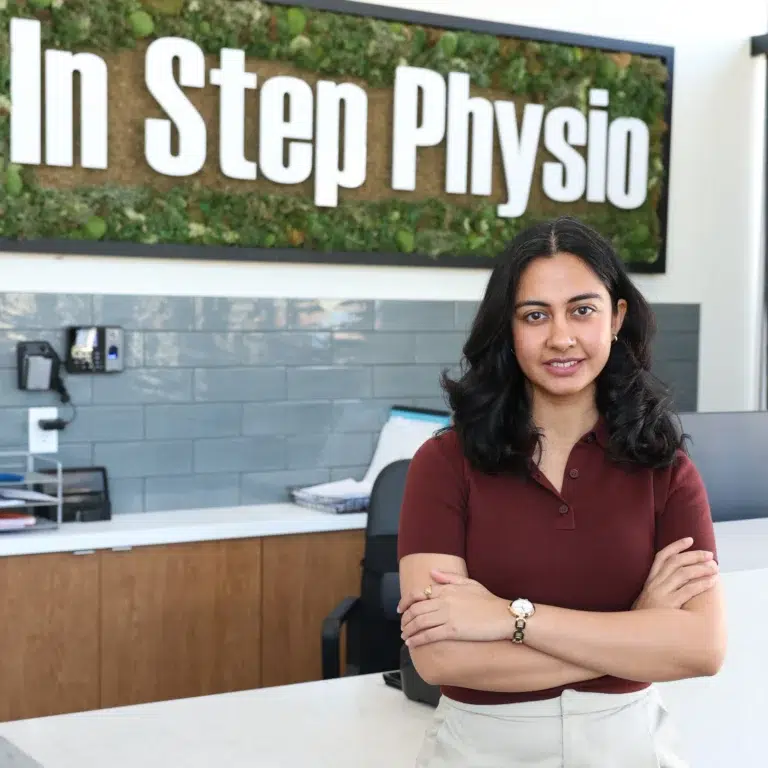
Roopreet Kaur
Neurological Physiotherapist
Roopreet brings hands-on rehab experience and a background in addiction recovery, offering patients a therapeutic space that is both structured and empathetic.

Kudrat Preet Kaur
Physiotherapy Assistant
With experience in clinical and in-home care, Kudrat adapts therapy sessions to individual needs, making physiotherapy more accessible and comfortable for all clients.
Our team is here to answer your questions and guide you through your next steps.
Book An Appointment
Reach Us
- Address - 10667 113 St NW, Edmonton, AB T5H 3H6
- Phone - (587) 409-1754
- Email - info@instepphysio.ca
- Business Hours - Mon – Fri: 8 am – 8 pm
- Business Hours - Sat: 8 am – 4 pm