
Difference Between Lymphatic Drainage Massage vs Regular Massage: What You Should Know
Table of Content
Massage therapy is helpful for many people, but not every massage approach focuses on the same goals. While regular massage is often used to relax tight muscles and support comfort, lymphatic-focused techniques work differently by encouraging healthy lymph flow and managing fluid buildup. Understanding these key differences will help you choose the right option for your needs.
Our lymphatic drainage massage in Edmonton supports people dealing with swelling concerns and recovery needs. In this blog, we’ll compare lymphatic drainage massage and regular massage so you can better understand how each approach works.
Lymphatic Drainage Massage vs Regular Massage: Key Differences
The main difference comes down to what the massage is trying to accomplish. While the two treatments may look similar at first glance, their goals and techniques can be quite different.
1. They Have Different Treatment Goals
One of the easiest ways to distinguish between the two is to consider why you’re receiving treatment.
If you’re experiencing tight shoulders after sitting at your desk, sore legs after activity, or general muscle tension, regular massage may focus directly on those muscles.
A lymphatic approach is different. Lymphatic drainage massage may be considered when the goal involves swelling and fluid movement rather than simply relaxing tight muscles. It can also form part of lymphedema management when appropriate.
Put simply, regular massage is generally muscle-focused, whereas lymphatic techniques are fluid- and lymphatic-system-focused.
2. The Amount of Pressure Is Different
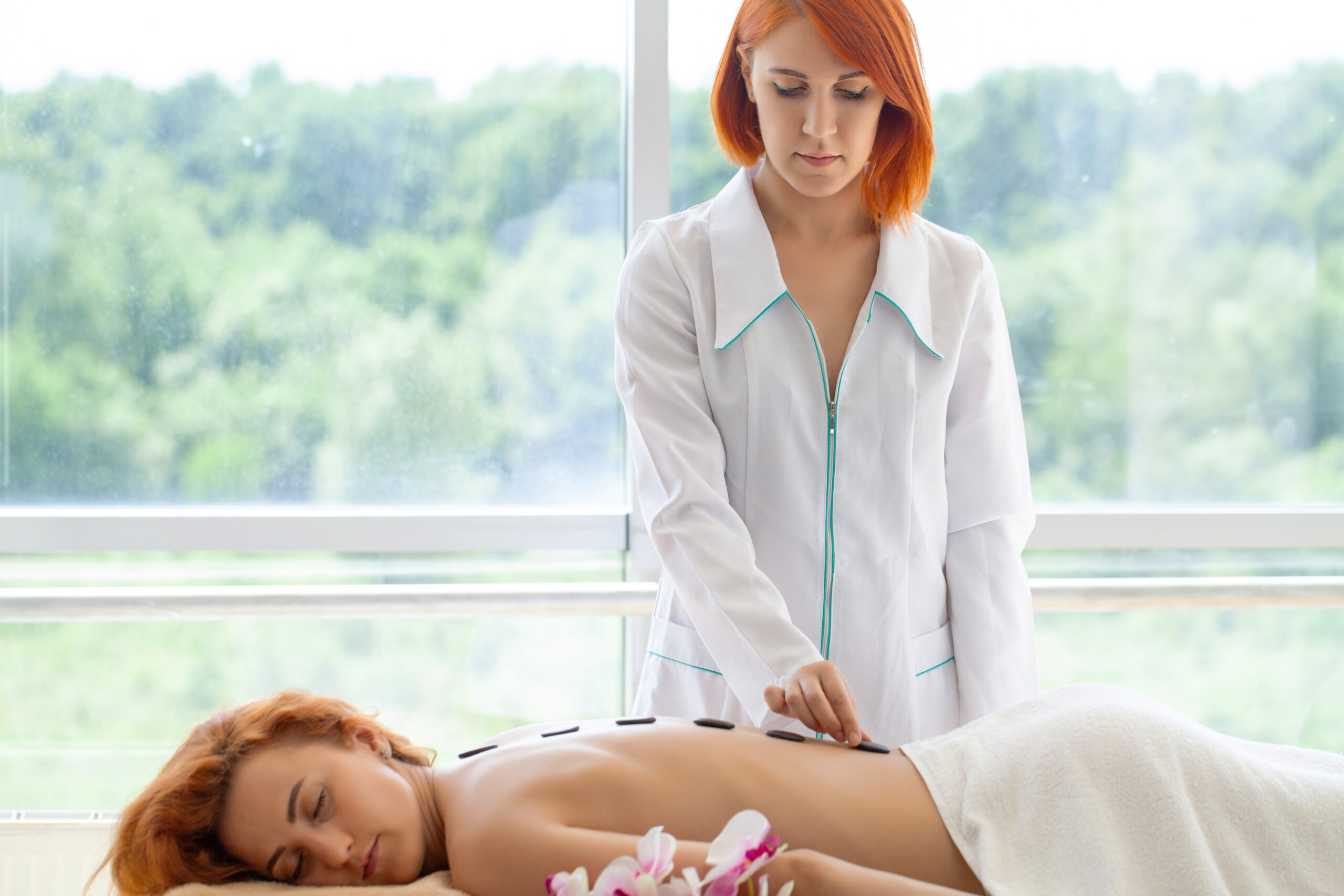
Regular massage can involve light, moderate, or firmer pressure. Techniques such as kneading, compression, and sustained pressure may be used to work on muscle tension and soft tissues.
By comparison, lymphatic drainage massage uses much lighter pressure. The lymphatic vessels involved in fluid movement are located close to the skin, so applying deep pressure isn’t the objective.
Manual lymphatic drainage typically uses gentle, slow, rhythmic movements. Rather than pressing deeply into your muscles, these movements are intended to support the movement of lymph fluid.
3. The Techniques and Movements Aren’t the Same
During a regular massage, you may experience kneading, rubbing, compression, stretching, or longer strokes over muscle groups. The movements can change depending on the muscles being addressed.
Lymphatic drainage massage generally involves slower, lighter, and more repetitive movements. The technique follows lymphatic pathways and is performed with fluid movement in mind.
This distinction matters. Simply using lighter pressure during a regular massage doesn’t automatically make it lymphatic drainage. The direction, sequence, rhythm, and purpose of the movements are important parts of the lymphatic approach.
4. They Focus on Different Body Systems
Regular massage primarily targets your musculoskeletal system, including muscles, fascia, and other soft tissues. That’s why people commonly associate it with muscle relaxation, mobility, and relief from everyday muscle tension.
Lymphatic techniques focus primarily on your lymphatic system. This system helps collect and transport lymph fluid throughout your body and contributes to maintaining normal fluid balance.
When lymphatic flow is disrupted or compromised, fluid may accumulate in tissues and contribute to swelling. In these circumstances, lymphatic drainage massage may sometimes be incorporated into a broader care approach.
That’s an important difference: one treatment primarily addresses muscle and soft-tissue concerns, while the other is centred around lymph flow and fluid management.
5. The Reasons for Receiving Each Massage Differ
You can consider regular massage when your goals involve muscle tightness, general relaxation, stiffness, exercise-related muscle soreness, or tension from work and everyday activities.
A lymphatic approach may be discussed when you’re experiencing persistent swelling, changes in fluid accumulation, or concerns associated with your lymphatic system.
For people living with lymphedema, lymphedema treatment may involve more than one strategy. Depending on your individual needs, care can include manual lymphatic drainage, compression, movement, exercise, education, and skin-care strategies.
In other words, lymphatic techniques shouldn’t simply be viewed as another version of relaxation massage.
6. How Does the Experience Feel Different?
Regular massage can sometimes feel firm, particularly when your therapist is working with tense or tight muscles. You may feel pressure as specific muscle groups are addressed.
A lymphatic session usually feels much lighter and slower. Because lymphatic drainage massage relies on gentle, controlled movements, you shouldn’t expect the same deep kneading commonly associated with some regular massages.
Neither approach needs to be considered “better” than the other. They simply have different purposes. What matters is matching the treatment approach with what’s happening in your body and what you’re hoping to achieve.
Q&A Block:
Q: “Are lymphatic drainage massage and regular massage basically the same thing?”
A: No, both use hands-on techniques, but they focus on different goals. Regular massage mainly targets muscle tension and relaxation, while lymphatic drainage massage focuses on supporting lymph flow and fluid management.
Which Massage Approach May Be Right for You?
Start by thinking about your main concern.
When muscle tension, stiffness, stress, or exercise-related soreness is your priority, a regular massage may align more closely with your goals. When swelling, fluid accumulation, or lymphatic concerns are involved, a lymphatic approach may be more relevant.
It’s also important to remember that unexplained or sudden swelling shouldn’t simply be treated as muscle tension. Certain health conditions can affect whether lymphatic techniques are appropriate, so your health history and current symptoms should be considered before treatment.
Q&A Block:
Q: “How can I decide between lymphatic drainage massage and regular massage?”
A: Start by identifying your main concern. Muscle tension and soreness may point toward regular massage, while swelling or fluid-related concerns may require a lymphatic-focused approach.
Why Can Pain Continue After an Injury Has Healed?
One of the biggest challenges with the chronic pain is that the brain can learn to associate movement with danger.
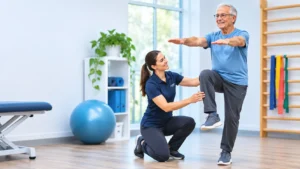
In the Physio4U podcast, we discussed a patient with persistent low back pain who had already tried scans, injections, medications, and multiple treatment approaches without lasting improvement.
During assessment, something else became clear.
Instead of only reduced strength, the patient also had:
- Poor balance
- Reduced body awareness
- Fear of bending forward
- Low confidence in movement
Rather than focusing only on strengthening exercises, rehabilitation also included balance training, sensory retraining, breathing exercises, gradual exposure to movement, and pain neuroscience education.
As movement confidence improved, pain gradually reduced.
The body changed because the brain’s understanding of movement changed.
Q&A Block
Q: How can my body still hurt if my original injury has already healed?
A: After an injury, the nervous system can sometimes remain in a protective state even after the tissues have recovered. This heightened sensitivity may cause pain to persist, which is why rehabilitation often focuses on restoring movement confidence as well as physical function.
Know the Difference Before You Choose
While both treatments use hands-on techniques, regular massage and lymphatic drainage massage in Edmonton serve different purposes. Regular massage primarily addresses muscles, soft tissues, tension, and relaxation, while lymphatic techniques use gentle, rhythmic movements to support lymph flow and fluid management.
If swelling, lymphedema, or fluid-related concerns are affecting your comfort or daily activities, understanding these differences can help you explore appropriate care. If you’re considering lymphatic drainage massage in Edmonton, contact In Step Physiotherapy. We discuss your concerns, answer your questions, and help you understand how lymphatic care may fit into your overall treatment plan.
Contact our In Step Physiotherapy Edmonton clinic today to book an appointment.
Author Bio:
With extensive experience in massage therapy and healthcare, Prakash provides personalized lymphatic massage care focused on supporting fluid movement and overall wellness. His training in Manual Lymphatic Drainage helps clients explore suitable approaches for swelling management and recovery support.
Frequently Asked Questions:
1. What is the key difference between lymphatic drainage massage and regular massage?
Lymphatic drainage massage focuses on supporting lymph flow and fluid movement, while regular massage mainly focuses on muscle tension, relaxation, and soft tissue comfort.
2. Is lymphatic drainage massage the same as a regular massage?
No, the techniques and goals are different. Lymphatic drainage massage uses gentle rhythmic movements, while regular massage may involve different pressure levels to address muscle concerns.
3. What is manual lymphatic drainage?
It is a gentle massage technique that uses specific movements to support the movement of lymph fluid through the body.
4. Who may benefit from lymphatic drainage massage?
People experiencing swelling concerns, fluid buildup, or those looking for support during certain recovery periods may consider lymphatic drainage massage in Edmonton as part of their care plan.
5. Does lymphatic drainage massage use deep pressure?
No, lymphatic drainage massage typically uses light and gentle pressure because the technique focuses on supporting lymph pathways close to the skin.
6. Can regular massage help with muscle tightness?
Yes, regular massage is commonly used to support relaxation, ease muscle tension, and improve comfort in areas affected by stiffness or everyday strain.
7. Is lymphatic drainage massage used for lymphedema management?
Yes, lymphatic drainage techniques may be included as part of lymphedema management approaches along with other strategies recommended for individual needs.
8. What is lymphedema treatment?
Lymphedema treatment may involve different approaches, including manual lymphatic drainage, compression strategies, movement exercises, education, and skin care depending on individual requirements.
9. How do I know which massage is right for me?
The right approach depends on your goals. Regular massage may suit muscle tension and relaxation needs, while lymphatic drainage massage may be considered for swelling and lymph-related concerns.
10. Is lymphatic drainage massage suitable for everyone?
Lymphatic drainage massage may be helpful for many people, but it is important to consider your health history and individual needs before starting treatment.