
How Does Physiotherapy for Snow-Related Slips Help You Recover From Winter Injuries?
Table of Contents
Introduction
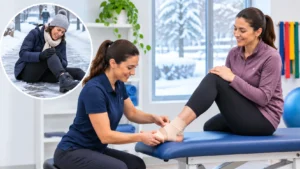
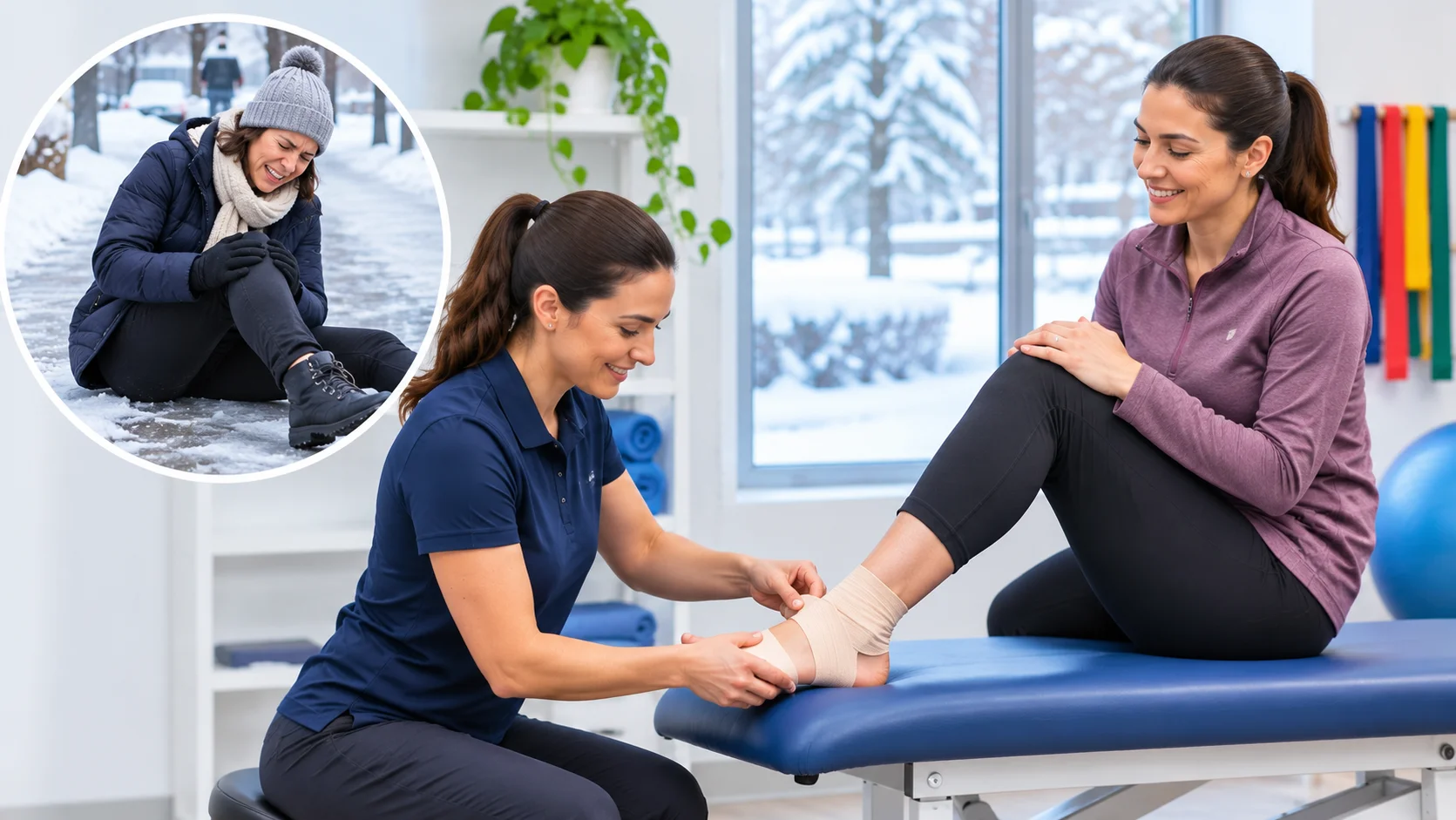
Winter in Edmonton brings icy sidewalks, snow-covered pathways, and slippery surfaces that make unexpected falls a common concern. One wrong step could leave you dealing with ankle sprains, knee pain, back discomfort, or muscle stiffness. These injuries often affect your ability to walk, bend, or complete everyday activities comfortably. That’s where physiotherapy for snow-related slips becomes important. It focuses on relieving discomfort, restoring movement, and helping your body recover after a winter fall.
If you’re experiencing pain or limited mobility, seeking physiotherapy in Edmonton gives you a structured approach to rebuilding strength, improving stability, and returning to your normal routine with confidence.
What Are the Common Injuries Caused by Snow-Related Slips?
Slipping on an icy sidewalk often happens without warning. When you lose your balance, your muscles and joints experience sudden pressure, resulting in injuries ranging from mild strains to more serious tissue damage.
Some common winter slip injuries include:
- Ankle sprains: Twisting your ankle while slipping stretches the surrounding ligaments, causing swelling and discomfort.
- Knee injuries: Sudden twisting or falling directly onto your knee leads to pain, stiffness, and restricted movement.
- Lower back pain: Landing awkwardly strains your back muscles and affects everyday movements.
- Wrist injuries: Using your hands to break a fall puts pressure on your wrists, sometimes resulting in sprains or fractures.
- Hip injuries: Falling sideways often causes bruising, muscle soreness, and difficulty walking.
If discomfort continues after a fall, physiotherapy in Edmonton helps you address movement limitations and work toward recovery once serious injuries have been ruled out.
I slipped on ice and didn't feel much pain at first. Why am I feeling sore now?
After a fall, muscle soreness and stiffness sometimes develop gradually as inflammation increases. If your discomfort continues or affects your movement, we recommend getting it assessed rather than ignoring it.
How Does Physiotherapy Help You Recover From Winter Slip Injuries?
The main goal of physiotherapy for snow-related slips is to help you regain comfortable movement, muscle strength, and stability. Your recovery depends on the affected area, injury severity, and how your body responds to treatment.
Helps Manage Pain and Swelling
After slipping on ice, you might notice swelling, muscle tightness, or discomfort around the injured area. These symptoms often make walking, sitting, or climbing stairs difficult.
We focus on gentle movements, appropriate exercises, and hands-on techniques to help you manage discomfort. When suitable, massage therapy also helps ease muscle tension and soreness associated with winter injuries.
Through physiotherapy for snow-related slips, you gradually restore comfortable movement while avoiding unnecessary pressure on healing tissues.
Restores Joint Mobility and Flexibility
A winter fall often leaves your joints feeling stiff, especially around your knees, ankles, hips, or lower back. Without regular movement, this stiffness sometimes makes simple tasks more challenging.
We use controlled stretching and mobility exercises to help restore your joint movement. In certain situations, myofascial release helps ease soft-tissue tightness and improve comfort during movement.
With physiotherapy for snow-related slips, you work toward better flexibility, smoother movements, and reduced stiffness throughout your recovery.
Rebuilds Muscle Strength and Stability
When you’re recovering from a fall, pain often makes you avoid using the injured area. Unfortunately, reduced activity over time contributes to muscle weakness and limited joint support.
Strengthening exercises help rebuild the muscles surrounding your affected joints, improving stability during everyday activities.
Your recovery exercises might include:
- Gentle ankle movements to improve control.
- Controlled knee bends to strengthen supporting muscles.
- Hip exercises to improve lower-body stability.
- Core strengthening activities to support your back.
With physiotherapy for snow-related slips, we gradually adjust your exercises as your strength and movement improve.
Improves Balance and Coordination
Walking outside after a winter fall sometimes feels stressful, especially when sidewalks remain icy. You might start taking smaller steps or avoiding outdoor activities because you’re worried about slipping again.
Balance training helps improve your coordination, posture, and awareness of body movements.
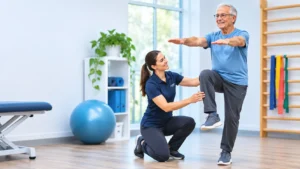
We guide you through exercises such as supported standing, controlled weight shifting, and walking activities to strengthen your stability.
These exercises help you feel steadier on your feet and more confident while moving through Edmonton’s winter conditions.
Will physiotherapy help me get back to my usual activities after slipping on snow?
That's what rehabilitation works toward. We focus on restoring your movement, rebuilding muscle strength, and improving balance so you gradually return to walking, working, and other everyday activities with greater comfort.
Why Is Early Physiotherapy Important After a Winter Fall?
It’s tempting to ignore a winter injury, especially when the discomfort initially seems minor. However, persistent stiffness, weakness, or pain sometimes affects your mobility long after the fall.
Starting physiotherapy for snow-related slips early helps you understand which movements are appropriate and how to return to your activities gradually.
We focus on managing discomfort, improving flexibility, and rebuilding strength through exercises suited to your recovery.
If you experience severe pain, suspected fractures, difficulty bearing weight, or symptoms following a head injury, seek immediate medical attention before beginning rehabilitation.
For other suitable injuries, physiotherapy in Edmonton provides a structured path toward restoring comfortable movement and daily function.
Should I wait for my pain to disappear before starting physiotherapy?
Not necessarily. Once serious injuries have been ruled out, early rehabilitation often helps you manage stiffness and maintain movement. We'll guide you through suitable activities based on your injury and recovery stage.
How Do You Prevent Snow-Related Slips During Edmonton Winters?
Although winter conditions are unpredictable, a few everyday precautions help reduce your chances of slipping on icy surfaces.
Here are some practical ways to stay safer:
- Wear winter boots with reliable traction.
- Take shorter, slower steps on slippery pathways.
- Use handrails when walking on outdoor stairs.
- Choose cleared sidewalks whenever possible.
- Keep your hands free to maintain balance.
- Practise strengthening and balance exercises regularly.
If you’ve experienced previous falls, physiotherapy in Edmonton helps you improve stability and work on the movements needed for safer walking.
I'm worried about slipping again. What should I focus on to feel steadier?
Start with supportive winter footwear, shorter steps on icy surfaces, and regular balance exercises. We also recommend strengthening your legs and improving coordination to help you move with greater stability.
Leave Winter Slip Injuries Behind and Move Forward
Winter falls disrupt your routine, leaving you dealing with pain, stiffness, and reduced confidence while moving. Fortunately, physiotherapy for snow-related slips helps restore mobility, rebuild strength, and improve balance as your body recovers.
Our physiotherapy in Edmonton understands how Edmonton’s winter conditions affect your daily activities. Our team works with you to improve movement and support your recovery at a comfortable pace.
Contact In Step Physiotherapy in Edmonton today to book your appointment for physiotherapy and take the next step toward moving comfortably throughout the winter season.
Author Bio
Giri Srinivasan | Registered Physiotherapist – Owner & CEO
With over 25 years of experience in orthopedic, sports, and neurological rehabilitation, Giri Srinivasan helps patients address pain, restore mobility, and improve balance following injuries, including winter slips and falls. As the Owner & CEO of In Step Physiotherapy, he brings extensive rehabilitation experience to help Edmonton residents regain strength, stability, and confidence in their everyday movements.
Watch Our Videos:
Frequently Asked Questions
- How long does recovery take after slipping on snow or ice?
Recovery depends on your injury’s severity, the affected body part, and your overall health. Mild strains often improve within a few weeks, while more significant injuries require longer rehabilitation.
- Is it normal to experience back pain after falling on ice?
Back pain is a common concern after winter falls, particularly when you land awkwardly. Muscle strains and soft-tissue irritation often contribute to discomfort, but persistent or severe pain needs assessment.
- What should I do immediately after slipping and injuring my ankle?
Stop walking if putting weight on your ankle causes significant pain. Protect the injured area, use a wrapped cold pack briefly for comfort, and seek medical assessment if swelling is severe or walking is difficult.
- Does physiotherapy help with knee pain caused by a winter fall?
Physiotherapy addresses movement restrictions, muscle weakness, and stiffness associated with many knee injuries. Your rehabilitation exercises depend on the affected tissues and whether further medical assessment is required.
- Is massage therapy suitable for muscle pain after a snow-related fall?
Massage therapy helps some people manage muscle tightness and soreness during recovery. However, suspected fractures, severe swelling, or significant acute injuries should be assessed before massage treatment.
- How does myofascial release fit into winter injury rehabilitation?
It is a hands-on technique used to address certain soft-tissue restrictions. When appropriate, it complements mobility and strengthening exercises rather than replacing active rehabilitation.
- What are the signs that my winter slip injury needs urgent medical attention?
Seek urgent care for severe pain, visible deformity, inability to bear weight, new weakness, or concerning symptoms following a head injury. These signs require medical evaluation before routine physiotherapy.
- Will I need to stop exercising while recovering from a winter injury?
You won’t always need to stop every activity. We generally recommend adjusting movements that aggravate your injury while maintaining safe, comfortable activity according to your recovery stage.
- Why do my muscles feel weaker after resting following a winter fall?
Reduced activity limits how often your muscles work, which contributes to weakness over time. Gradual strengthening exercises help rebuild support around injured joints and improve everyday movement.
- Does wearing winter boots with good traction completely prevent slips?
No footwear eliminates the risk of falling on ice. Boots with reliable traction improve grip, but you should also take shorter steps, use cleared pathways, and hold handrails when necessary.